
Wiktoria Kowalska
That's why we act. We don't want to wait for a miracle—we want to help create it.
Our goal is to advance research into Smith-Lemli-Opitz syndrome (SLOS), one of the best-understood genetic brain diseases. We believe that successful therapy for SLOS could pave the way for treatments for other rare diseases, previously considered incurable.
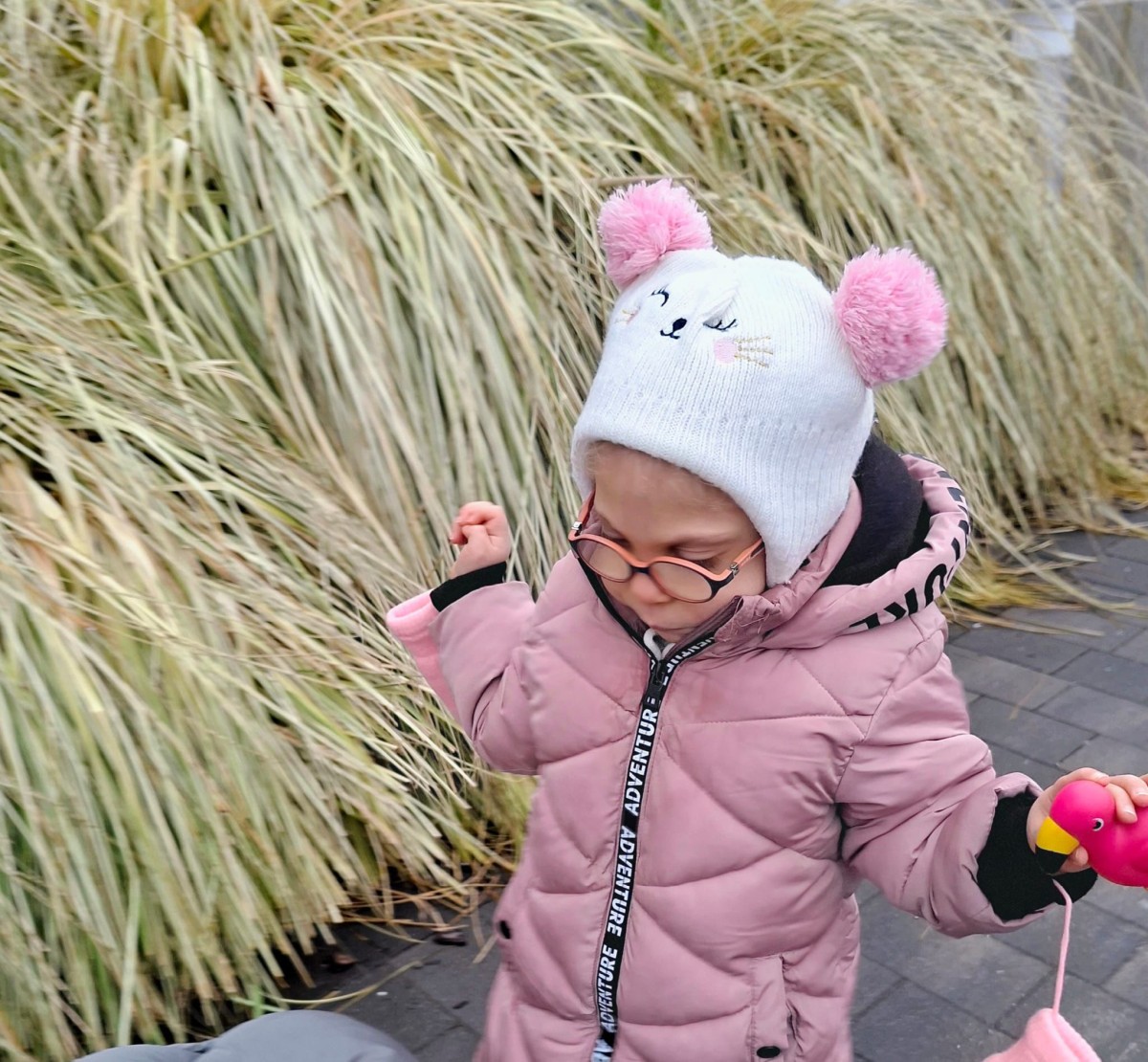
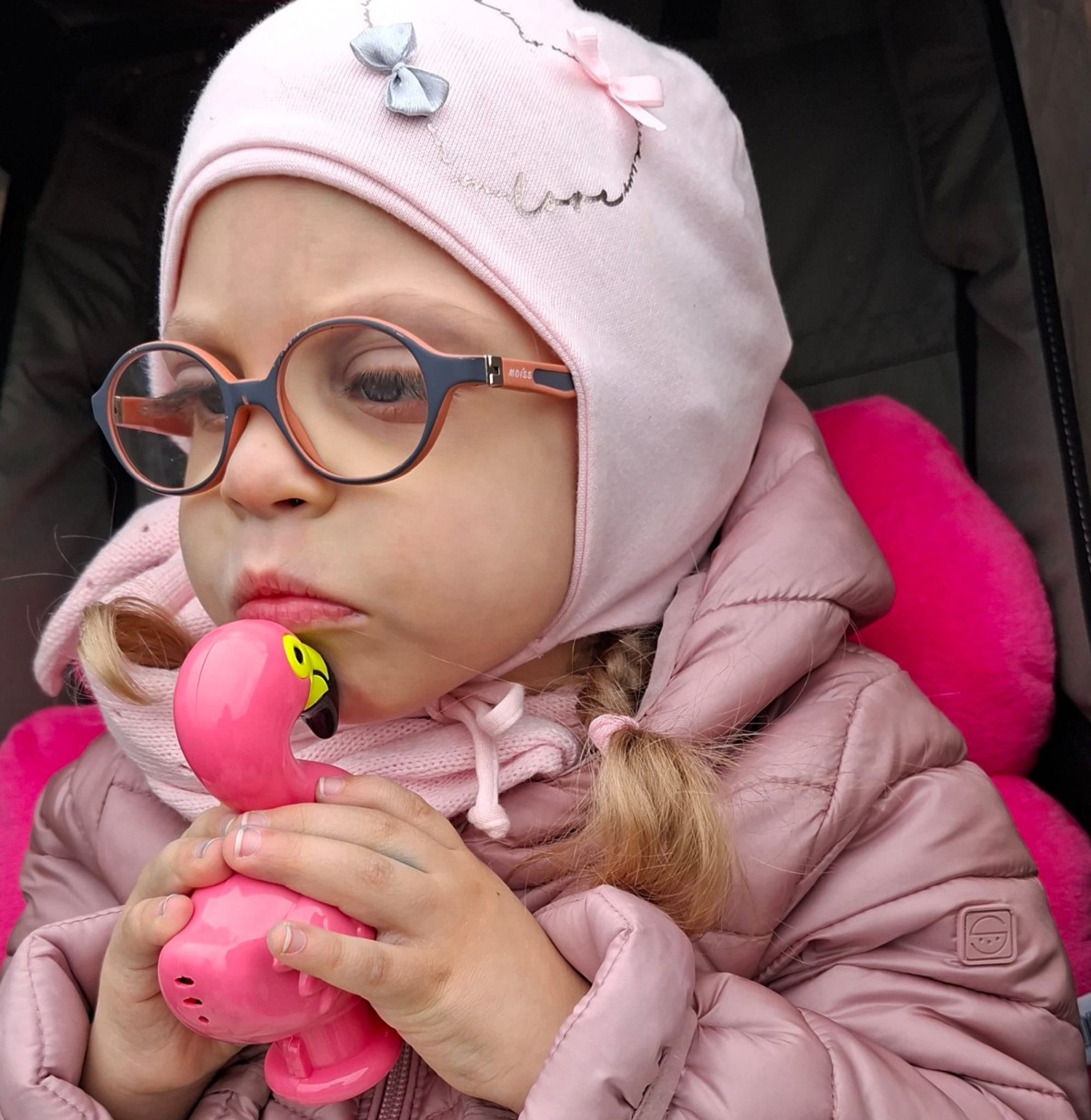
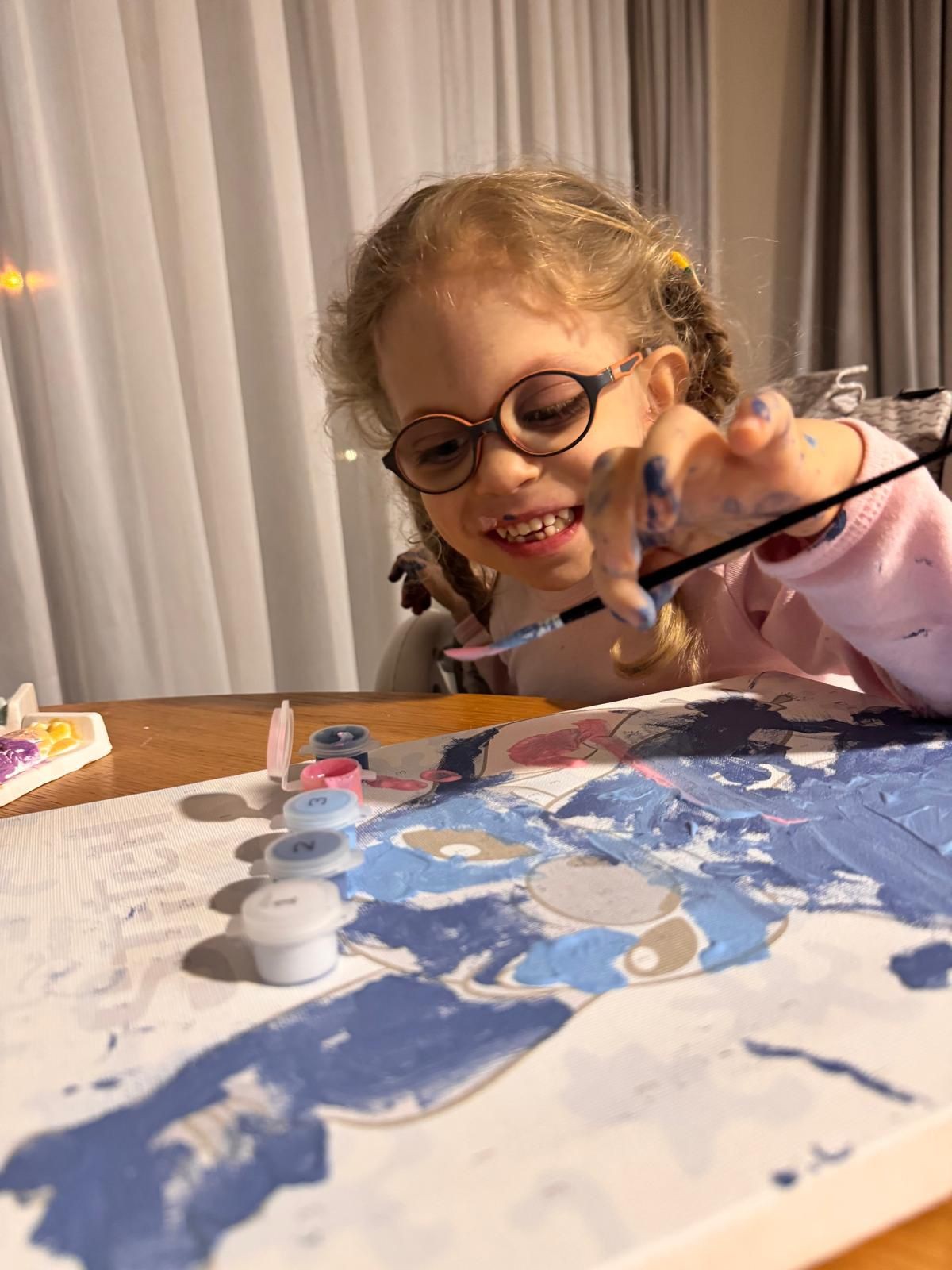
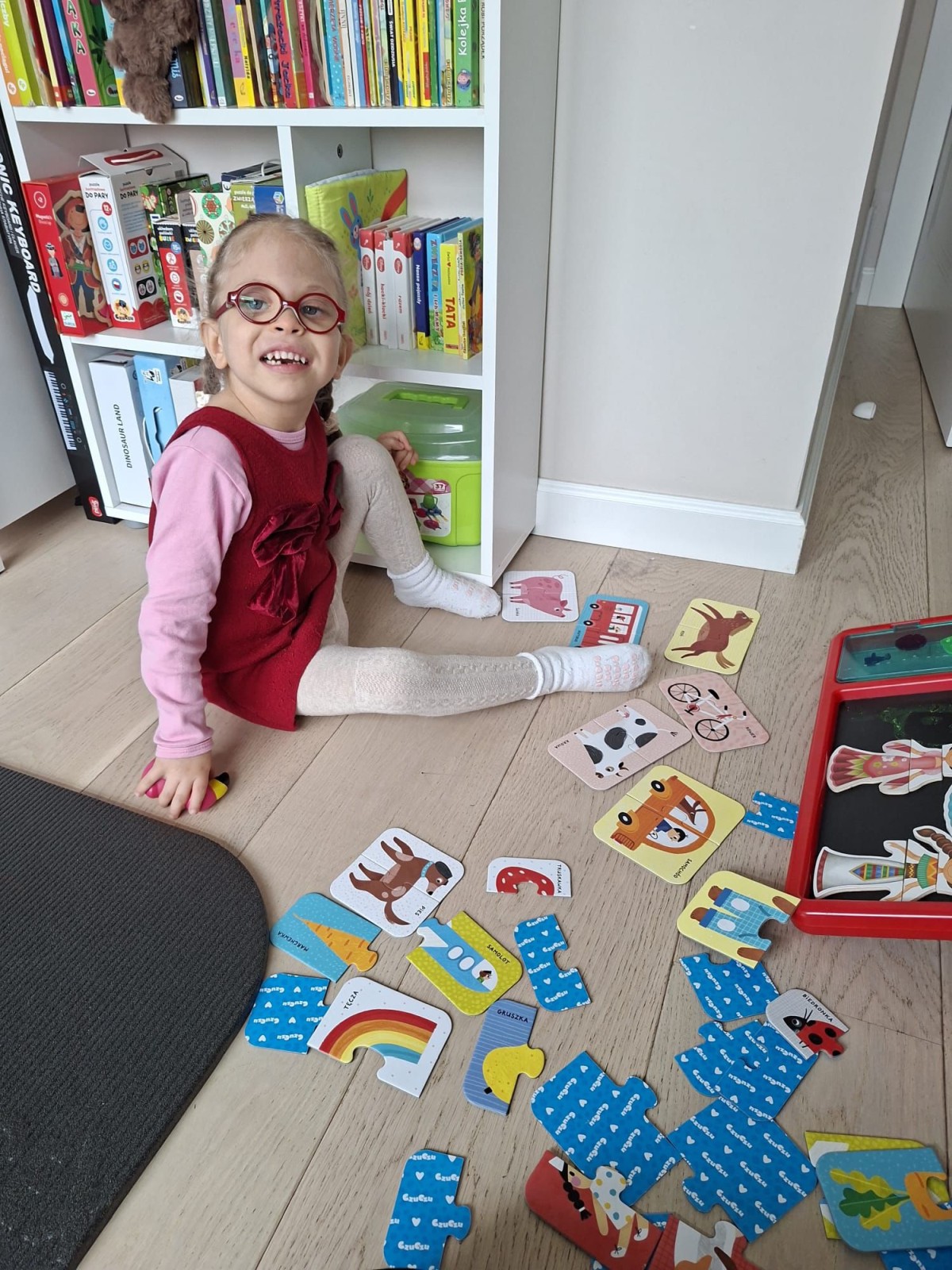
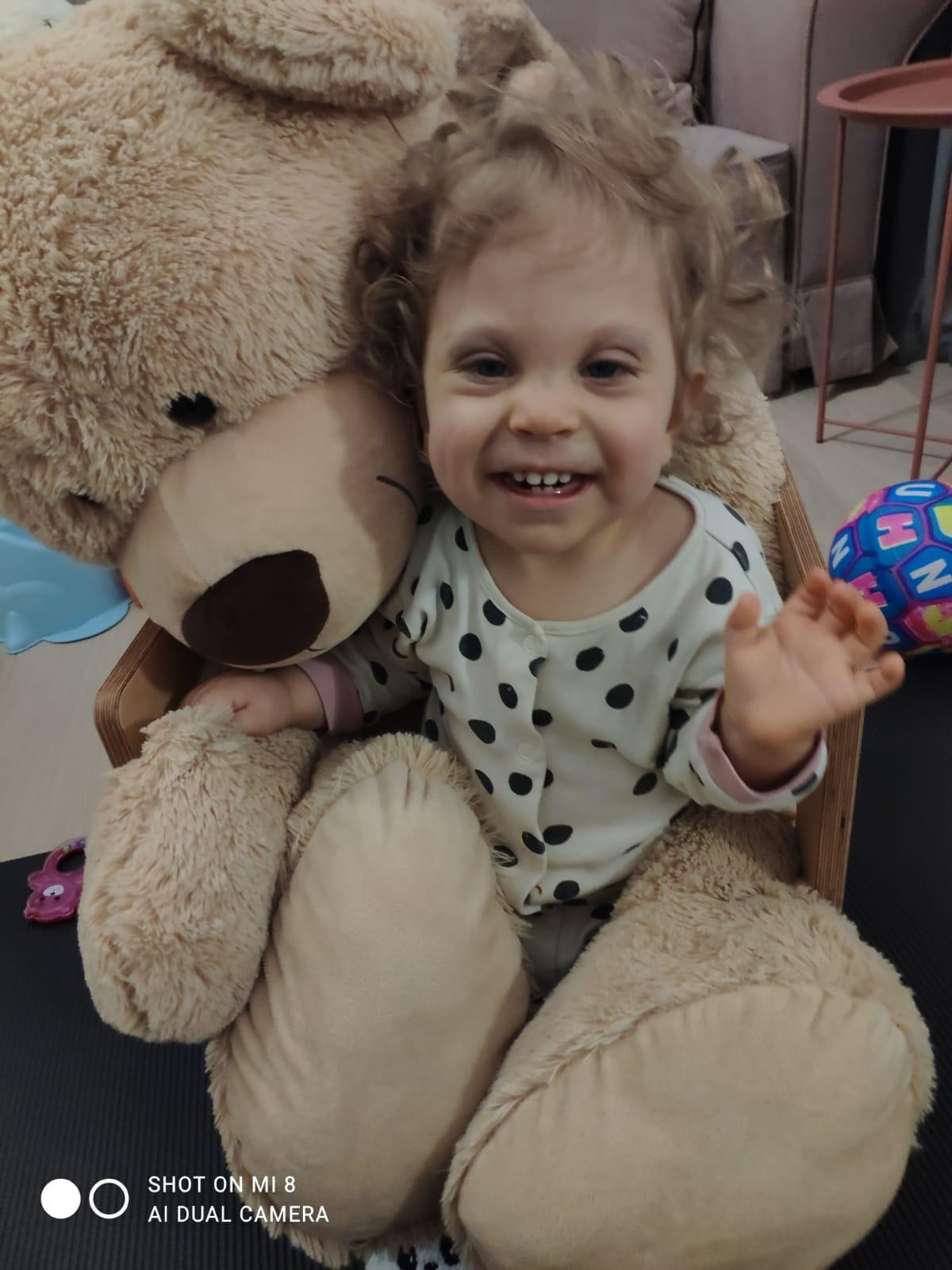
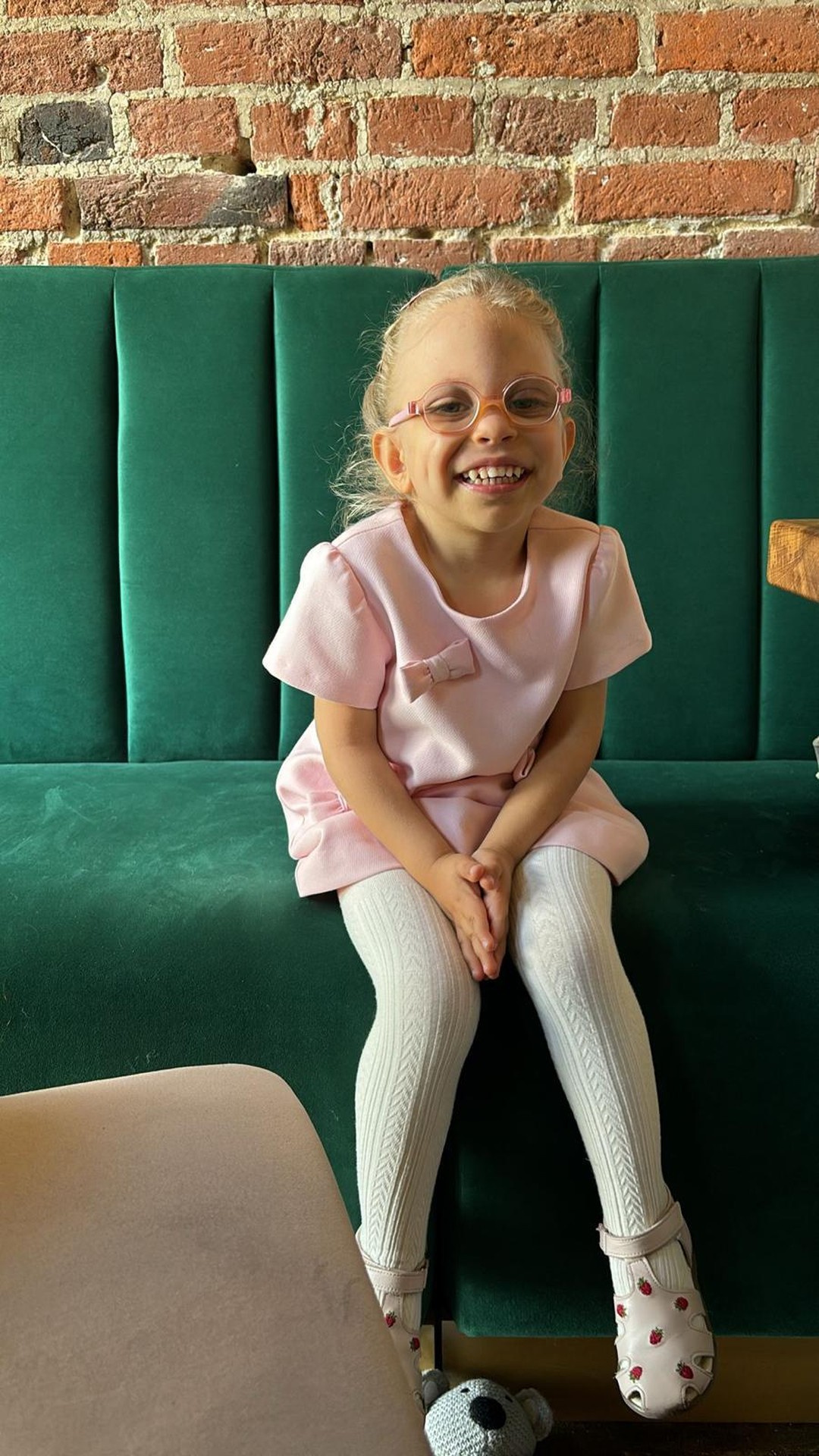
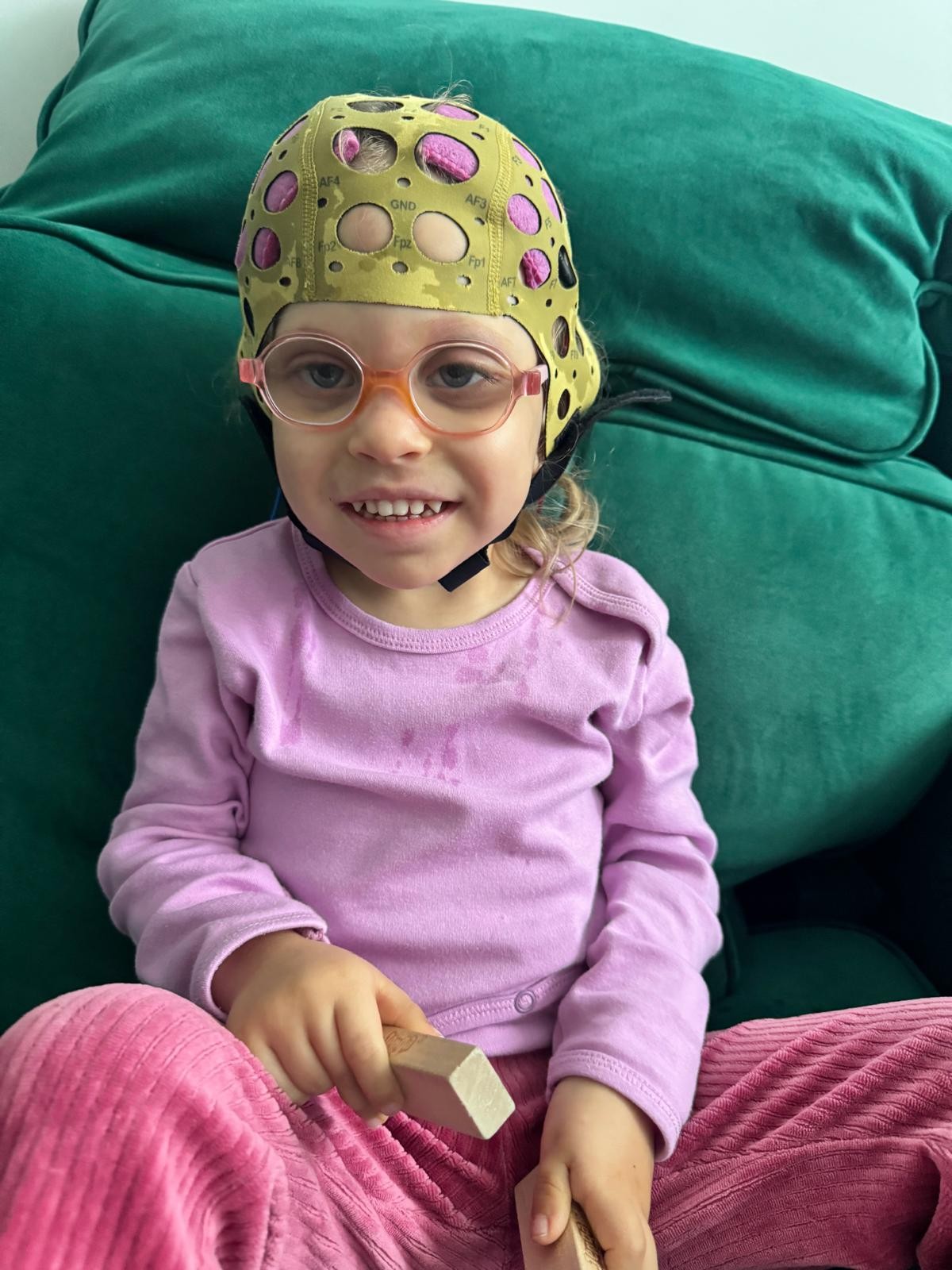
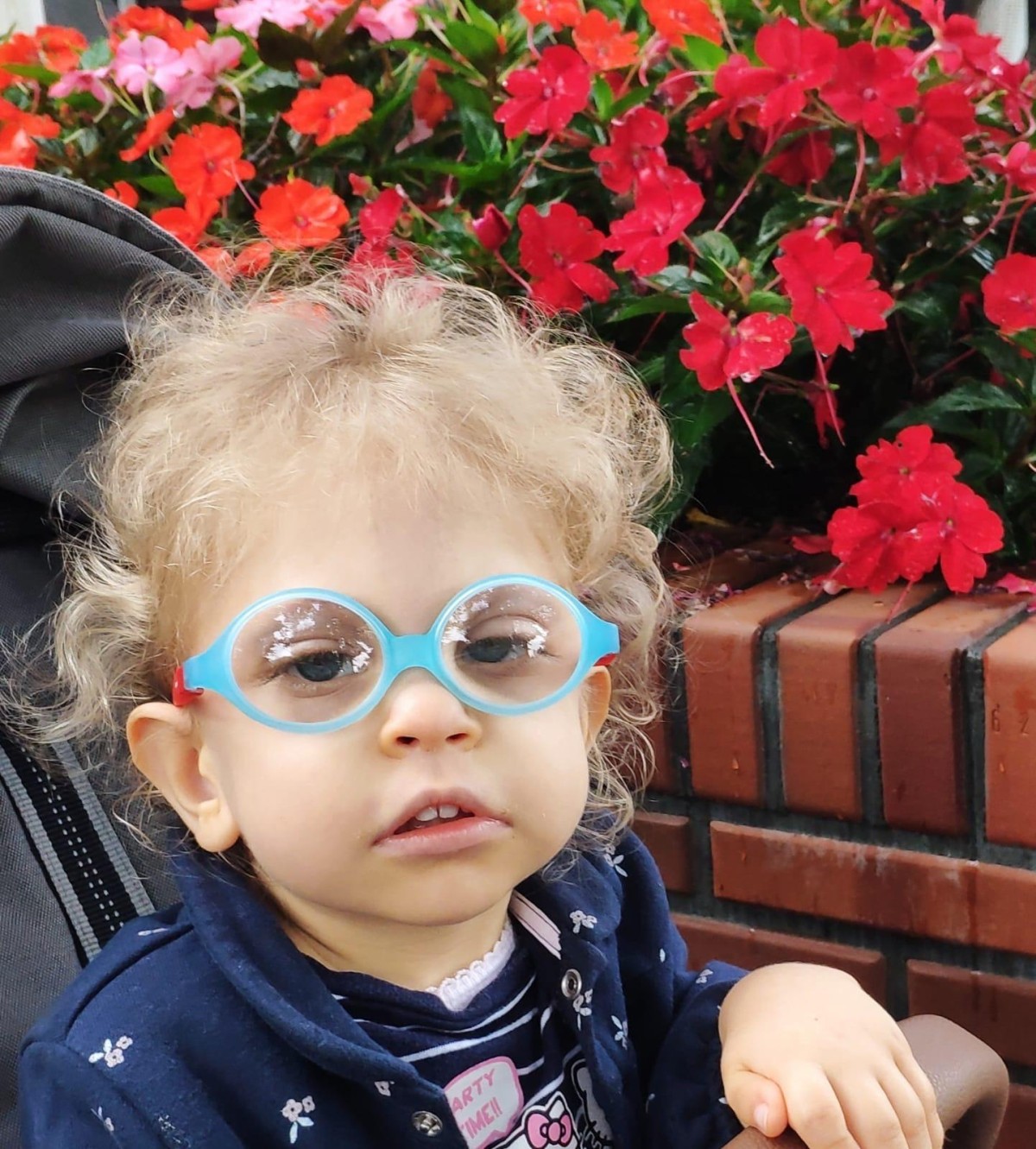
We do this for children like our daughter Wiktoria – so that they have a real chance for the future.
Research on the therapy is already underway. The first gene therapy vector has been created, and the results look very promising. This is the moment when science ceases to be merely theoretical and begins to offer real hope.
That’s why we are looking for individual and business partners – people and companies with a vision, for whom the health of future generations is fundamental. We invite those who want to collaborate, not just passive observers, but want to have a real, tangible impact on the development of medicine of the future, today.
Book pregnancy, ruthless reality
Pregnancy was a very conscious, well-considered, and long-awaited decision for us. I prepared for it as best I could – I took care of my diet, maintained a healthy lifestyle, and had all the preconception tests. I wanted to give our baby the best possible start.
The nine months themselves were textbook. I felt great and full of energy. I regularly saw the best specialists. My family even joked that I was exaggerating with the number of appointments, but I wanted to feel safe. As a gift, my mother-in-law bought us the most accurate NIFTY genetic test available. The result? The probability of the disease: 1 in 50 million. We were reassured. We didn’t know then that such tests only detect about 10% of the most common rare diseases…
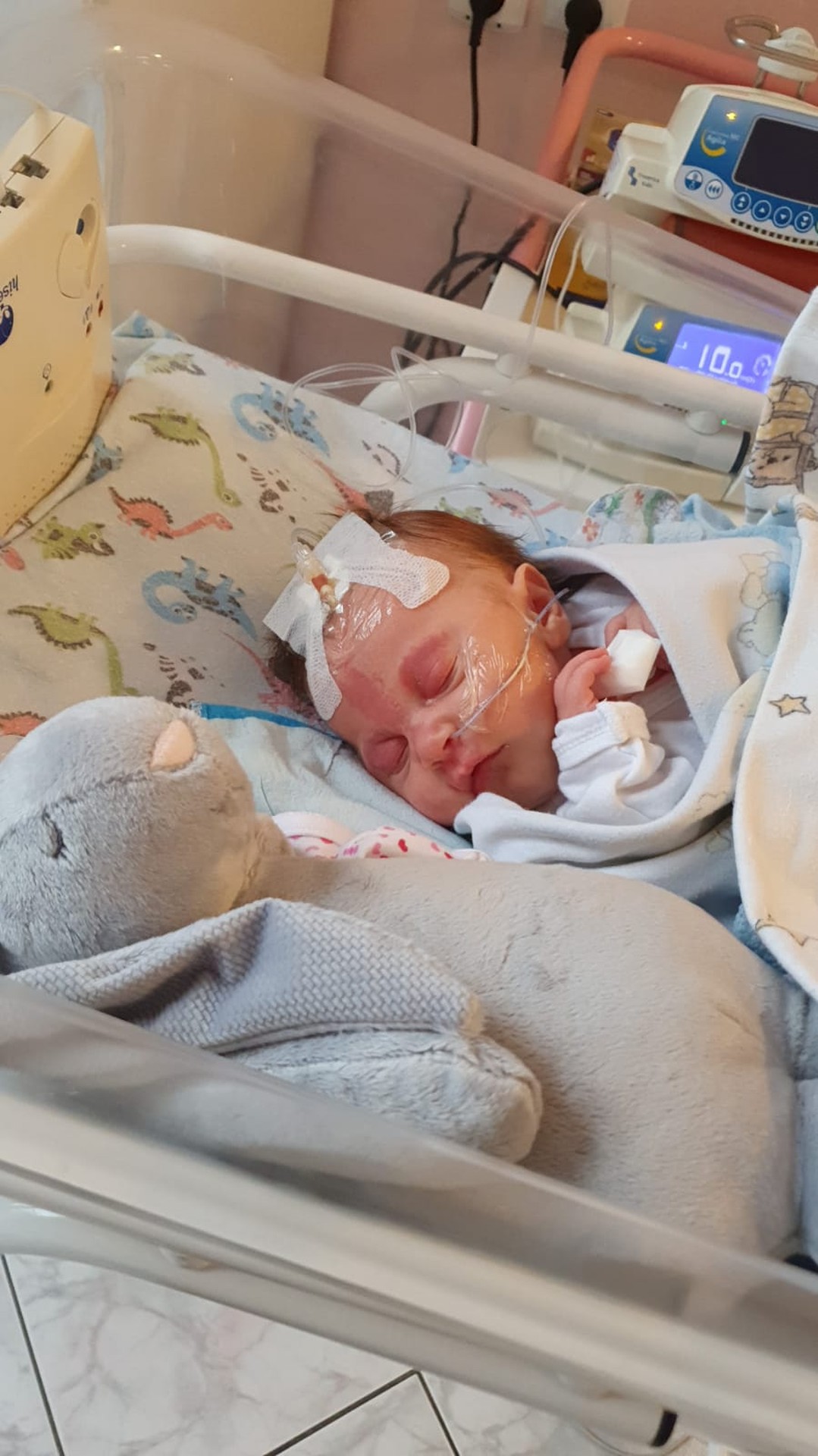
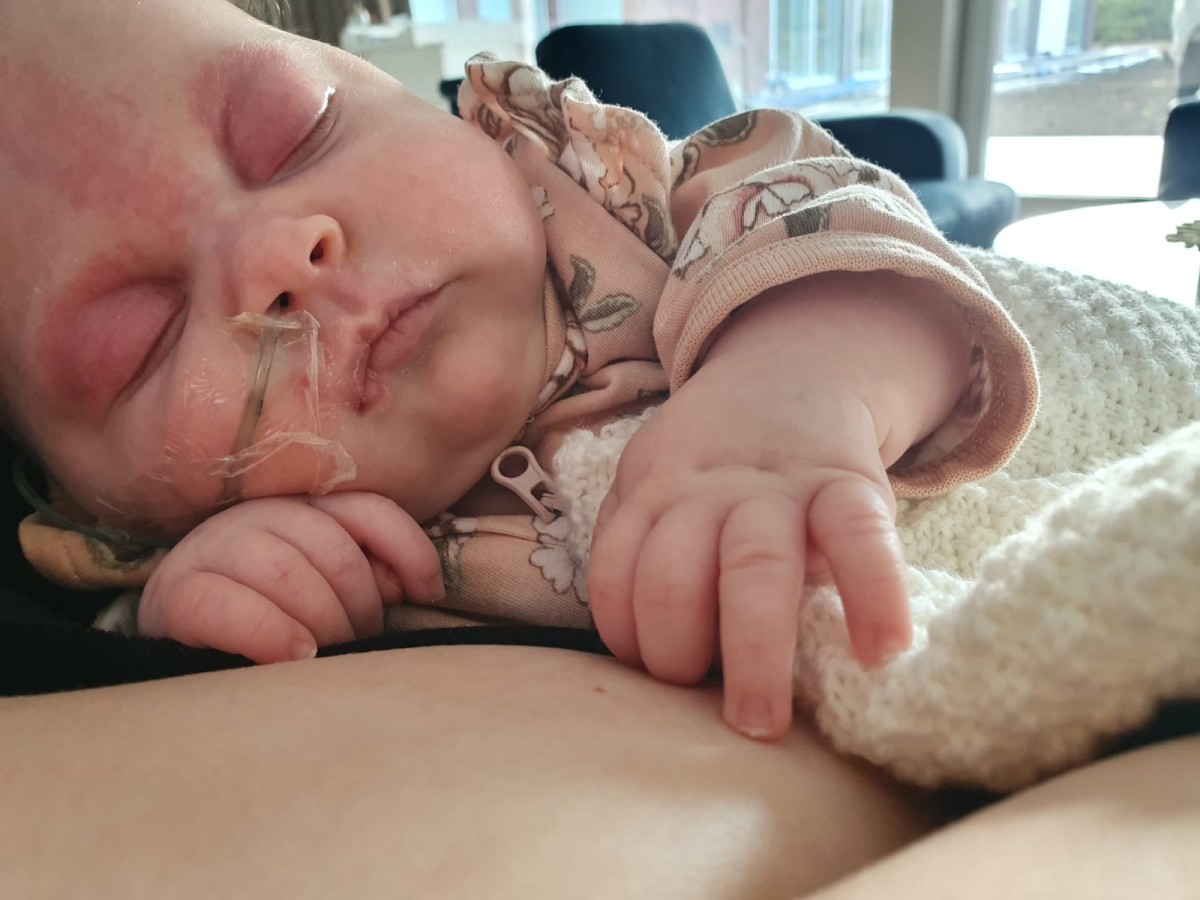
The day the world collapsed for the first time
The day of my planned cesarean section delivery was supposed to be the most beautiful day of our lives. We were relieving the tension, my husband ordered pizza, and we joked around.
When Wiktoria was born, instead of loud cries, I heard a soft whimper. The first wave of anxiety. A moment later, the doctor mentioned a cleft palate, and the midwife brought in my daughter, mentioning dysmorphic features that could indicate a genetic defect, such as Down syndrome.
“That’s impossible, I’ve had a NIFTY test,” I replied instinctively. The nurse looked at me with sympathy and said quietly, “Maybe you’re that one case…”
At that moment, our world collapsed for the first time. Still in the postpartum ward, with tears in our eyes, we frantically typed phrases into the search engine: wide-set eyes, small jaw, altered ear shape… Fear was paralyzing.
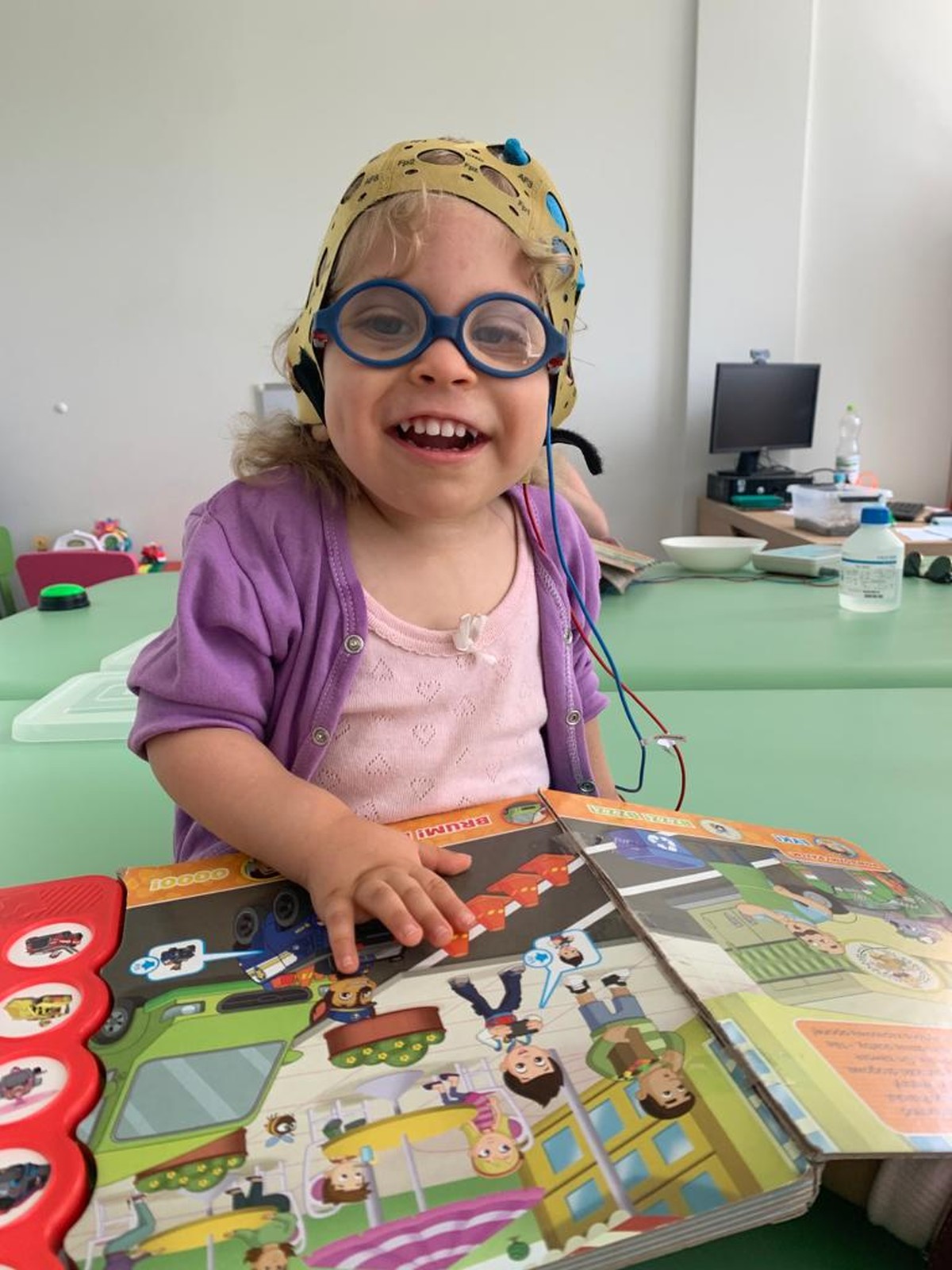
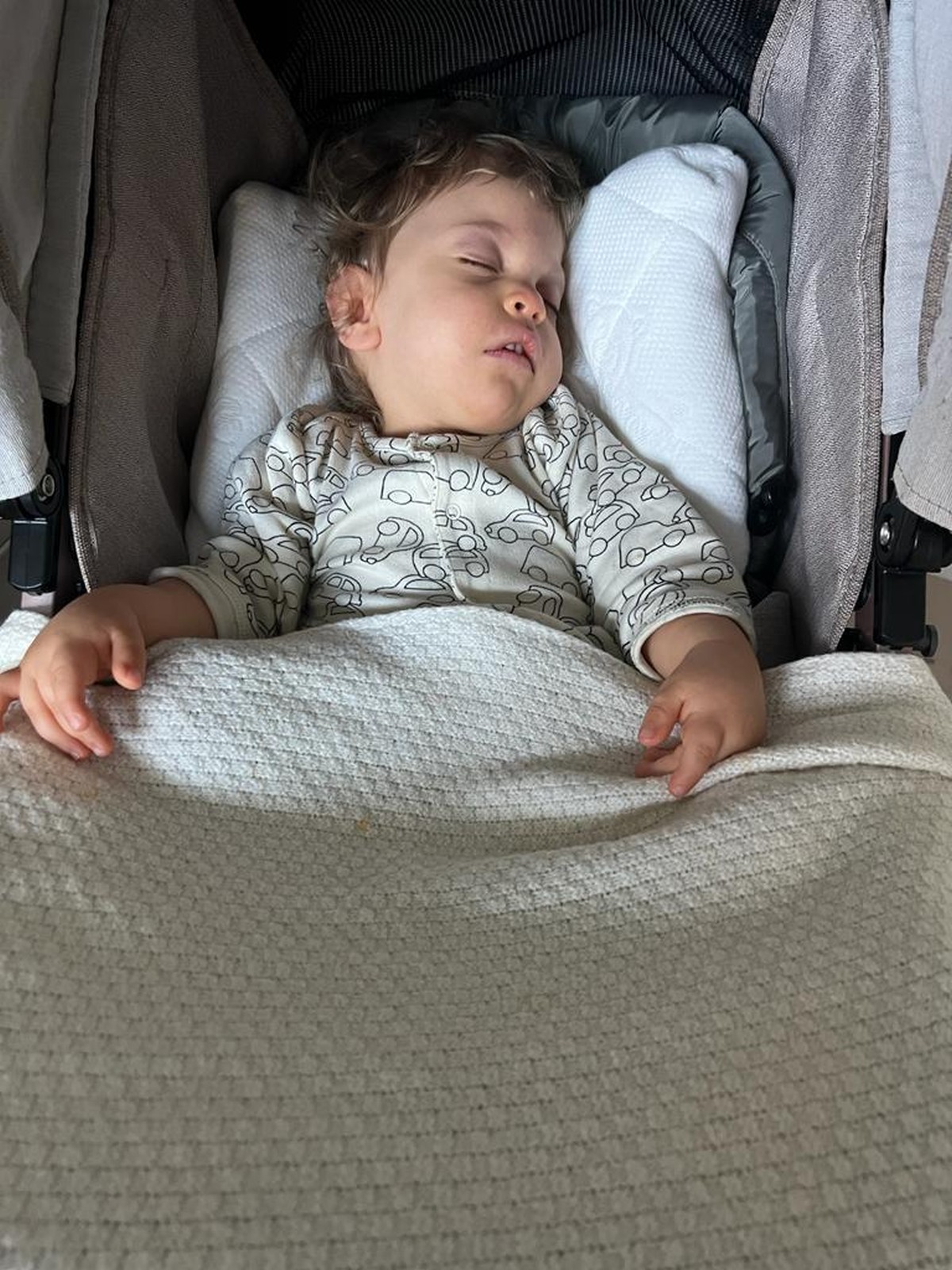
Diagnosis: Unknown verdict
The next day, Professor Śmigiel entered our room accompanied by a psychologist. We no longer had any illusions. He said that if it weren’t for the fused toes, he would have believed it was just a coincidence. We received the diagnosis: Smith-Lemli-Opitz syndrome.
I asked hopefully, “Is it something milder than Down syndrome?” He replied, “No, more severe.”
Then my world collapsed for the second time.
The path from despair to hope
For the first four years, we wrote to medical centers around the world. We searched for anything—a new drug, experimental research, a glimmer of hope. Everywhere, we hit a wall.
The breakthrough came when Professor Śmigiel from the Center for Rare Diseases referred us to Professor Leszek Lisowski—a world-class Polish scientist whose laboratory focuses on developing advanced gene therapies. After analyzing Wiktoria’s detailed results, we heard the words we had been waiting for for years: You qualify. A therapy for Wiktoria is designable.
Because Wiktoria’s disease is monogenic (caused by a single specific error in the DNA code), scientists are able to correct it at the source. For the first time since our daughter’s birth, we felt pure, real joy.
A race against time for 20 million PLN
Hope, however, comes at a brutal price. The cost of research, laboratory work, and the creation of a dedicated gene therapy is approximately 20 million złoty.
For one family, this is an unattainable sum. For thousands of hearts united by a common goal, this is a mission we can win. Today, science has the tools to save children like Wiktoria. All it needs is funding.
Genetics left Wiktoria no choice. But together, we have that choice. We can ensure that a DNA error is no longer a death sentence.


