
You can't choose your genes. But you do have a choice.
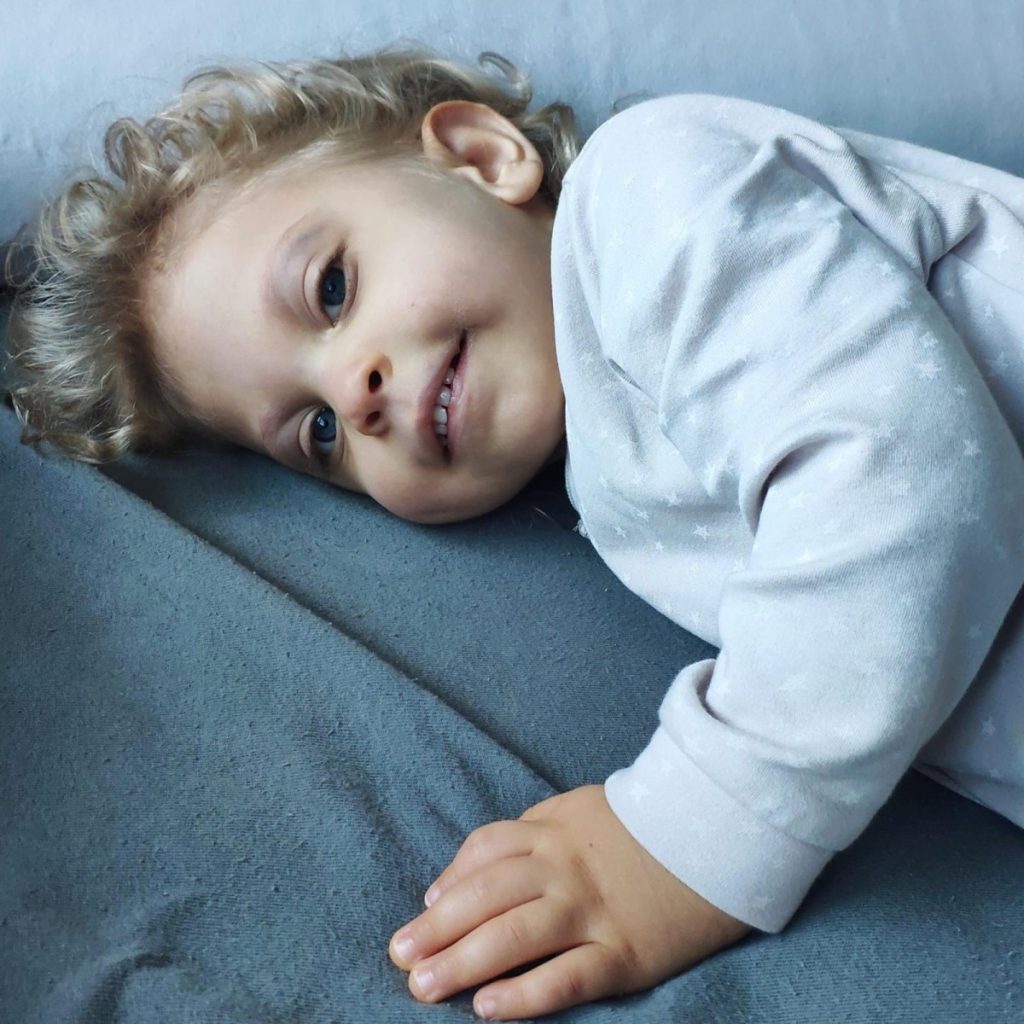

You never know when a rare disease will affect your family. Today, it's just a statistic. Tomorrow, it could change your life forever.
Statistics are more than just numbers. They are our everyday lives.
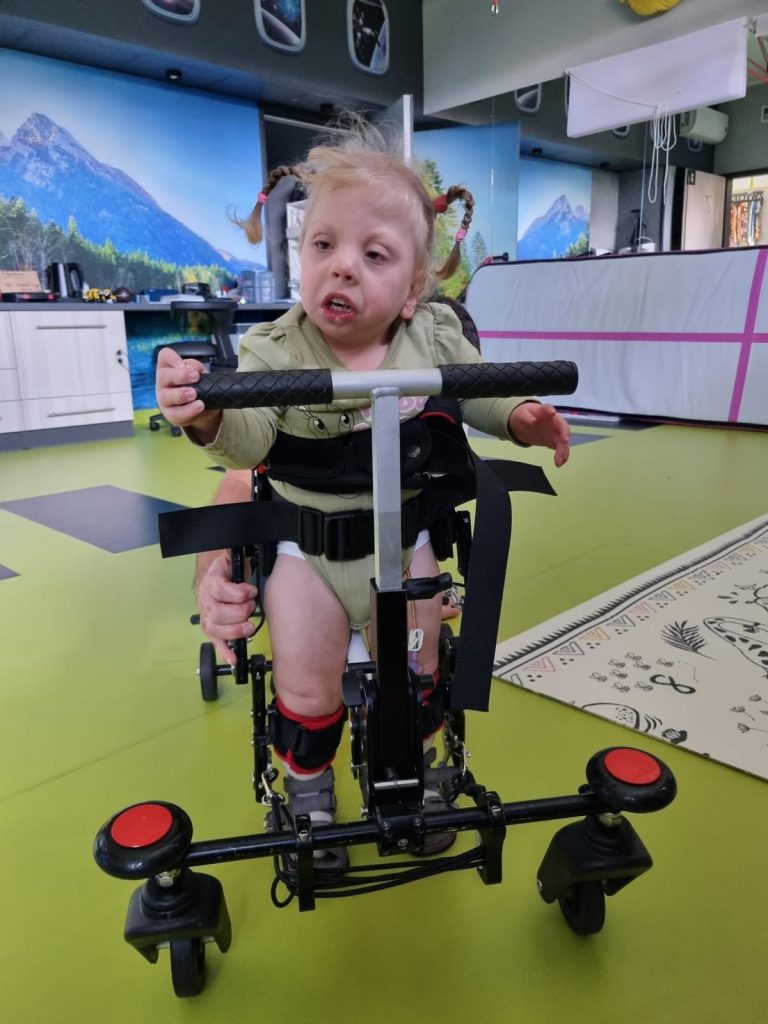
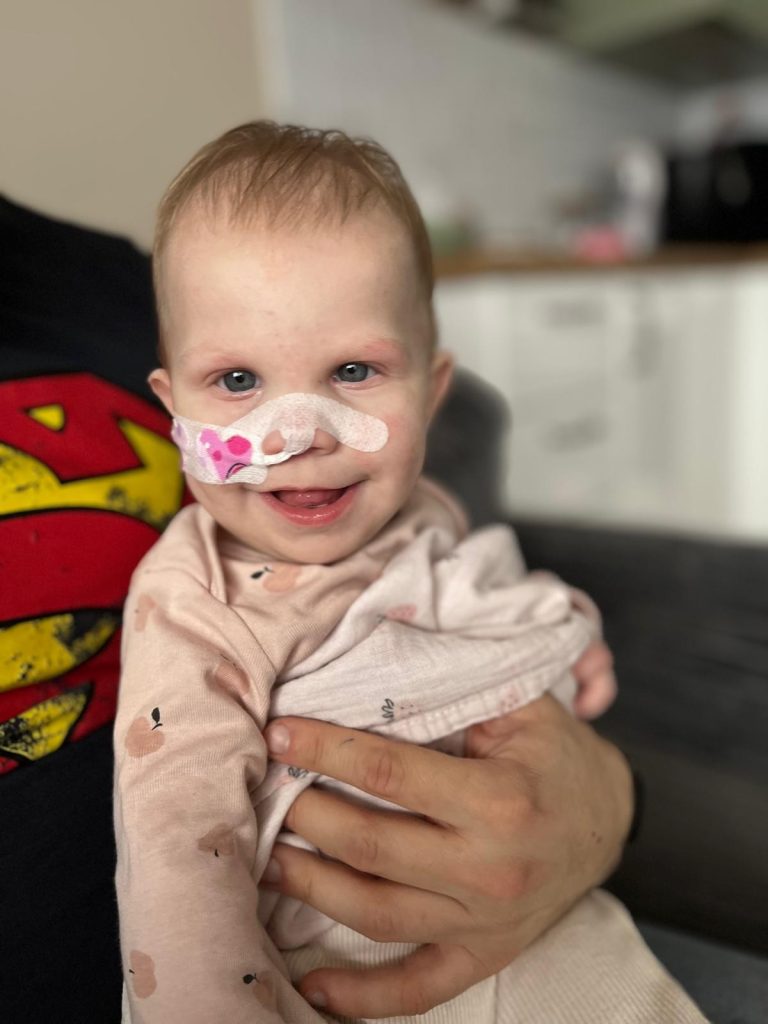
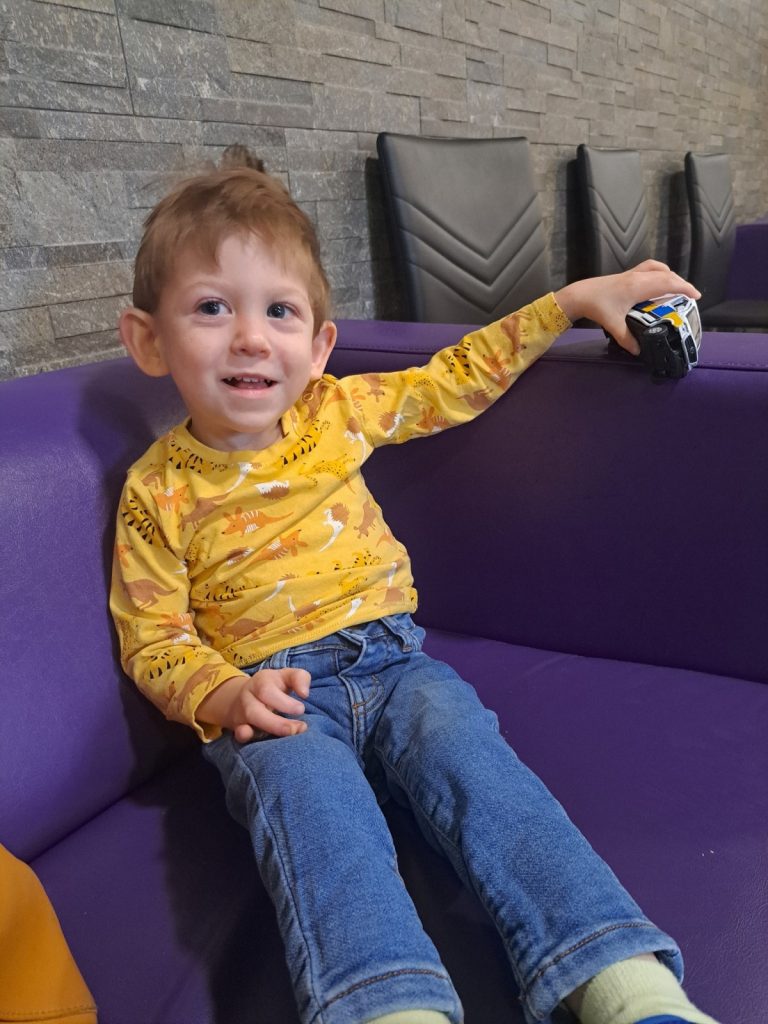
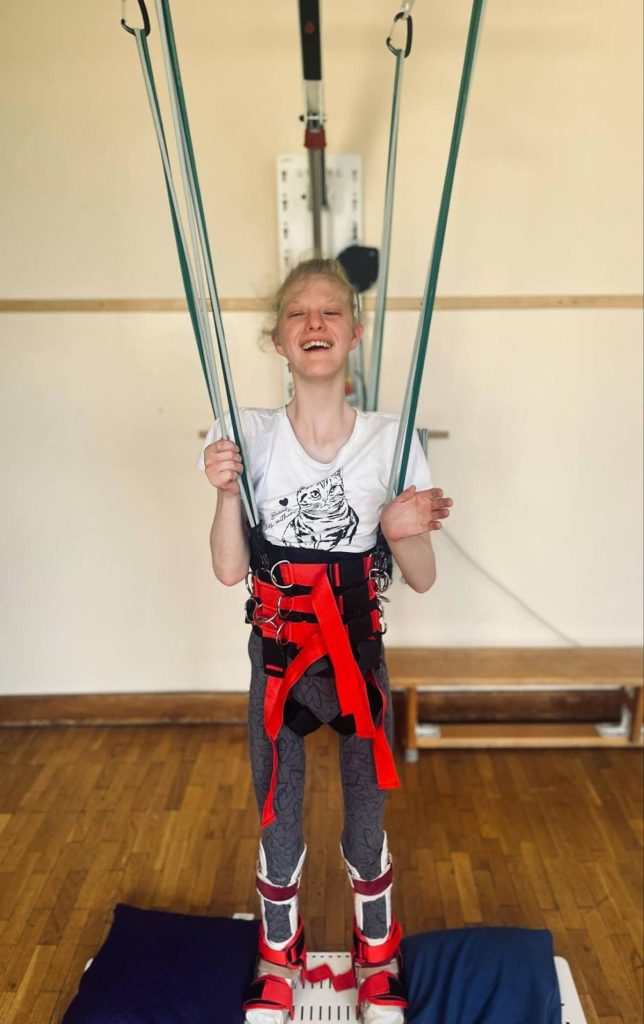
Rare diseases are often spoken of as statistics or footnotes in medical textbooks. We thought so too- until one of them affected our own family.
Today, we know that behind every diagnosis is a child, a family, and a fight for a better future.
There are more than 7,000 rare diseases worldwide, and most are genetic. Each one requires its own research, but a breakthrough for one disease can open the door to treatments for many others.
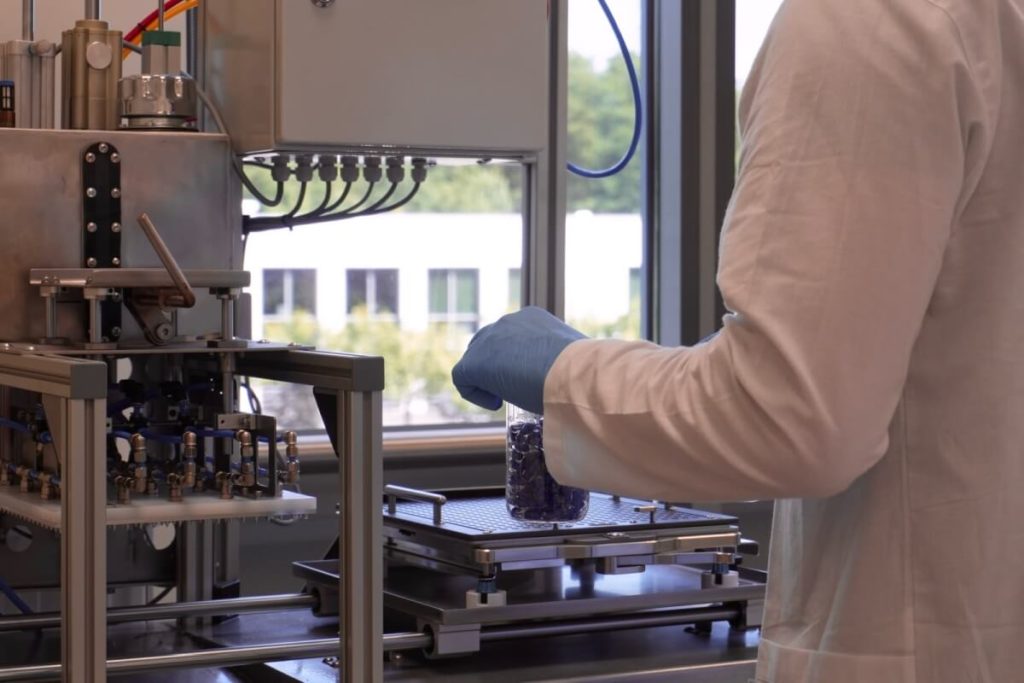
That is what happened with spinal muscular atrophy (SMA). The success of the gene therapy Zolgensma™ proved that a viral vector can deliver a healthy copy of a faulty gene. Today, that same technology offers hope to children living with Smith–Lemli–Opitz syndrome (SLOS).

Help us create gene therapy for children with SLOS
A single error in DNA should never determine a child’s future.
Support the research that is transforming medicine and bringing real hope to families.
Our stories
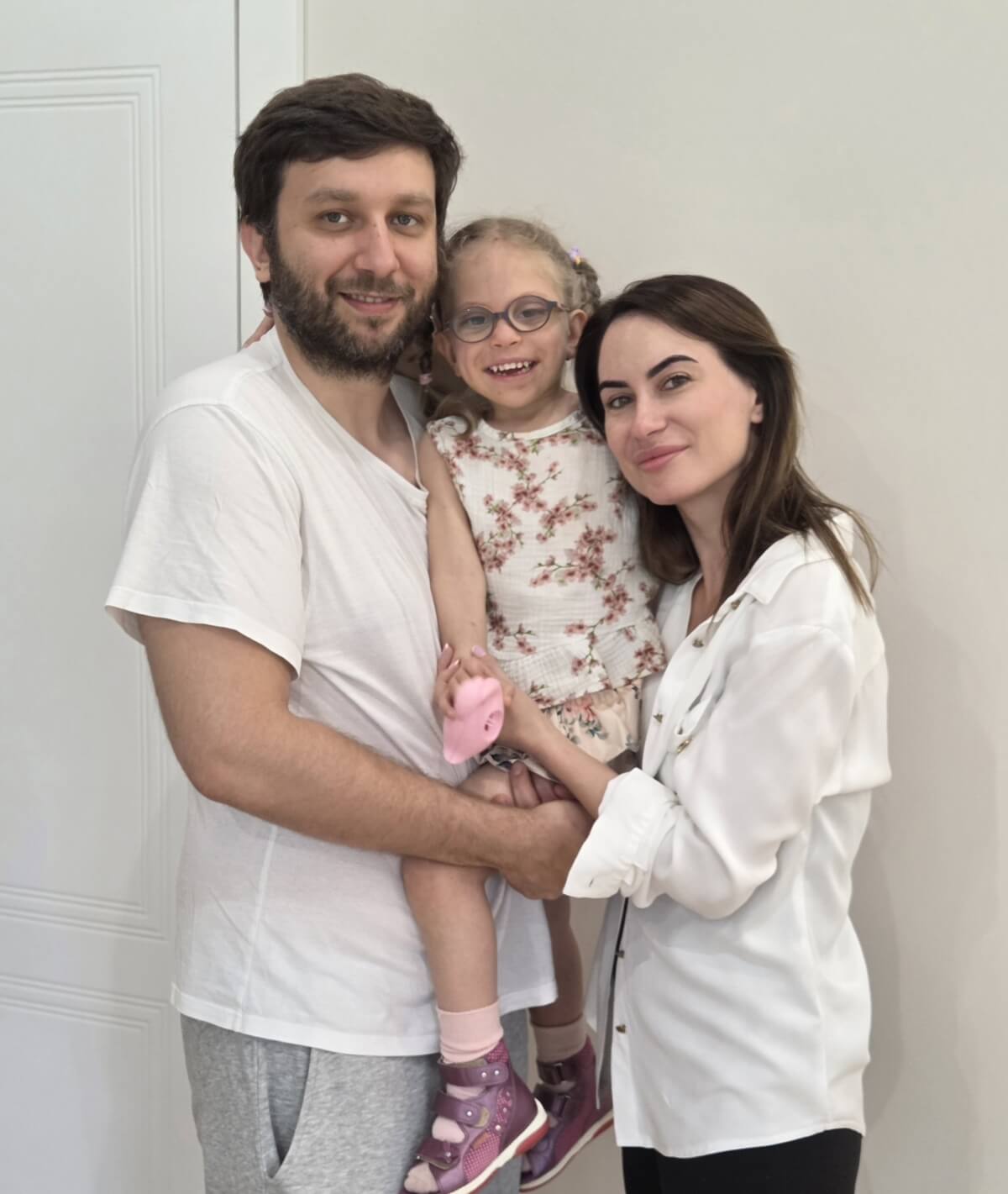
We don't want to wait for a miracle - we want to help create it.
Our goal is to advance research into gene therapy for Smith-Lemli-Opitz syndrome (SLOS) – one of the best-characterized genetic disorders affecting the brain. We believe that the success of a therapy for SLOS could pave the way for treatments for other rare diseases that have so far been considered incurable.
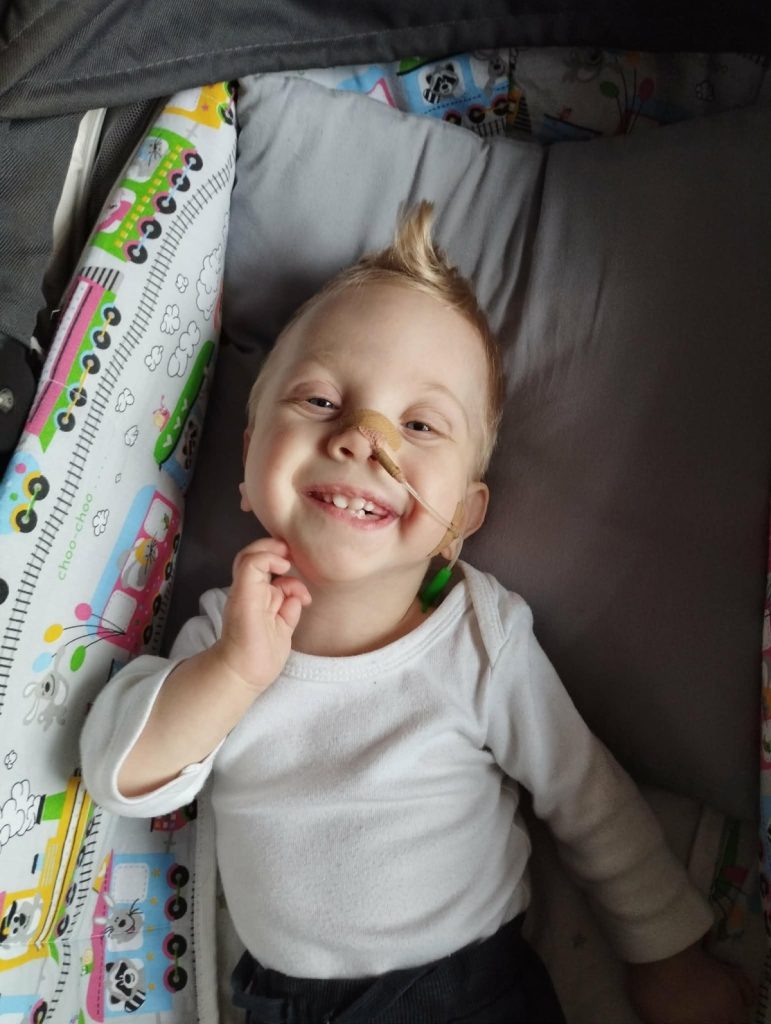
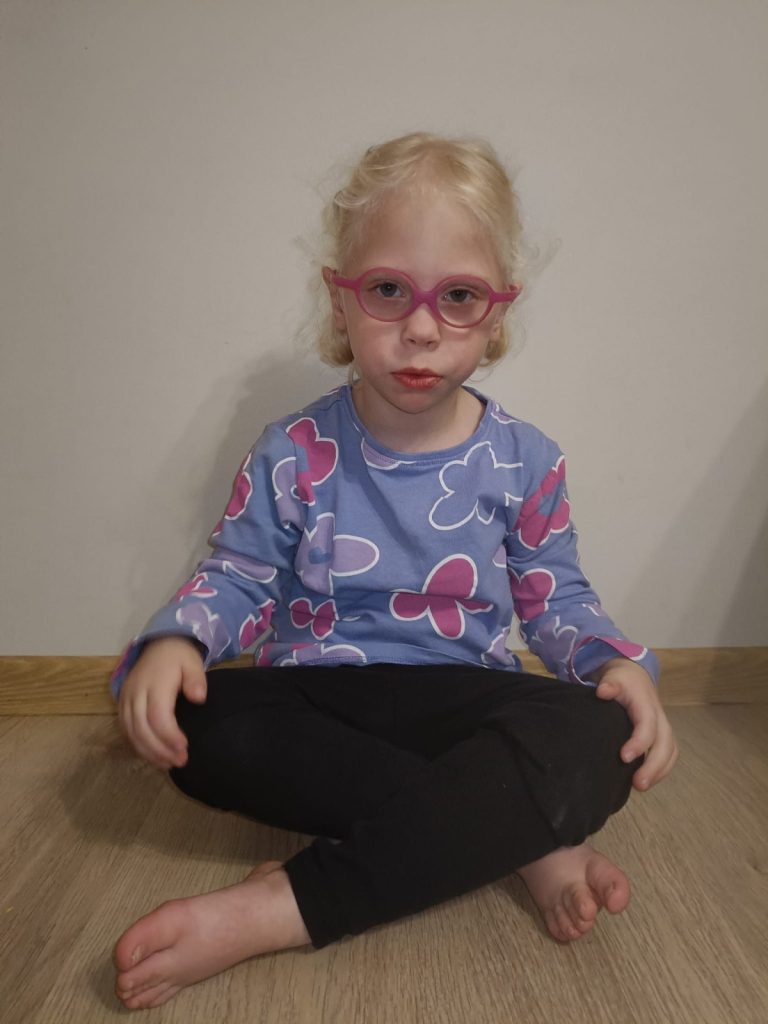
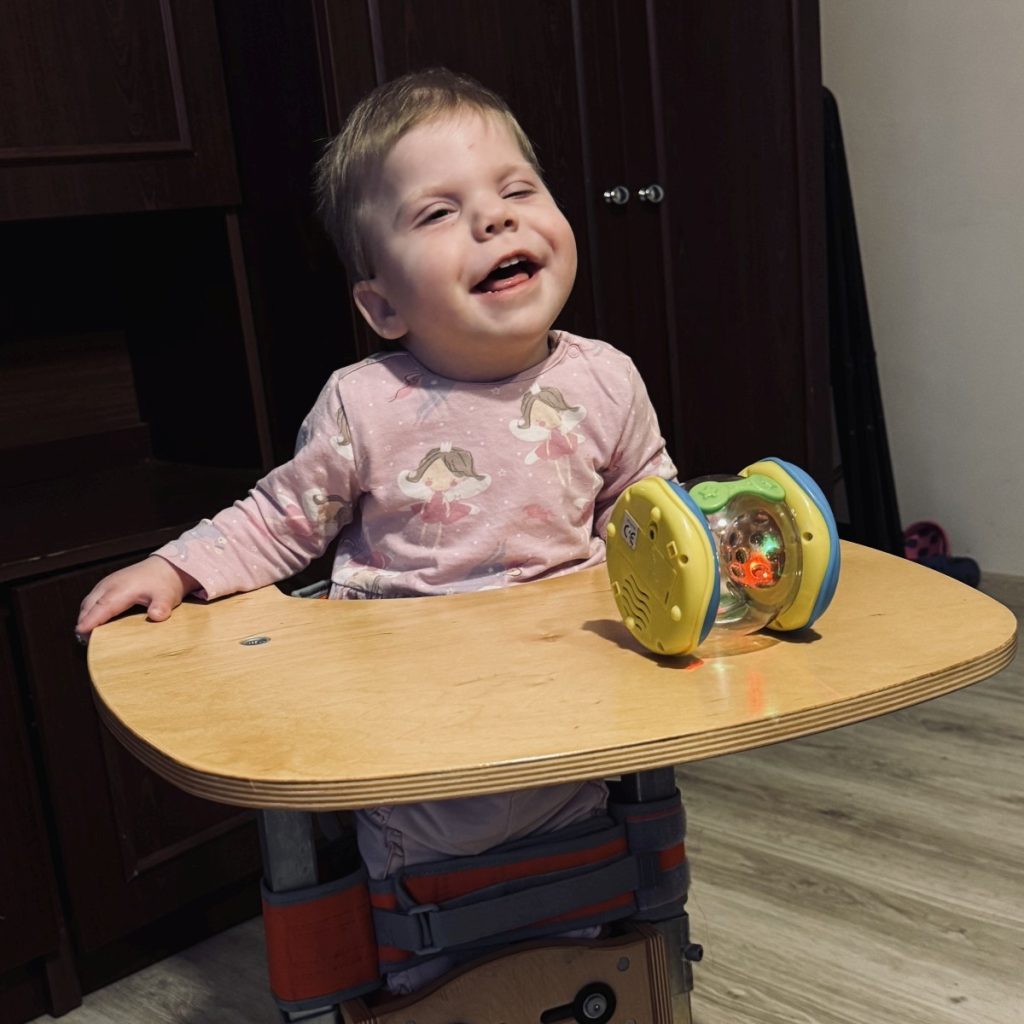
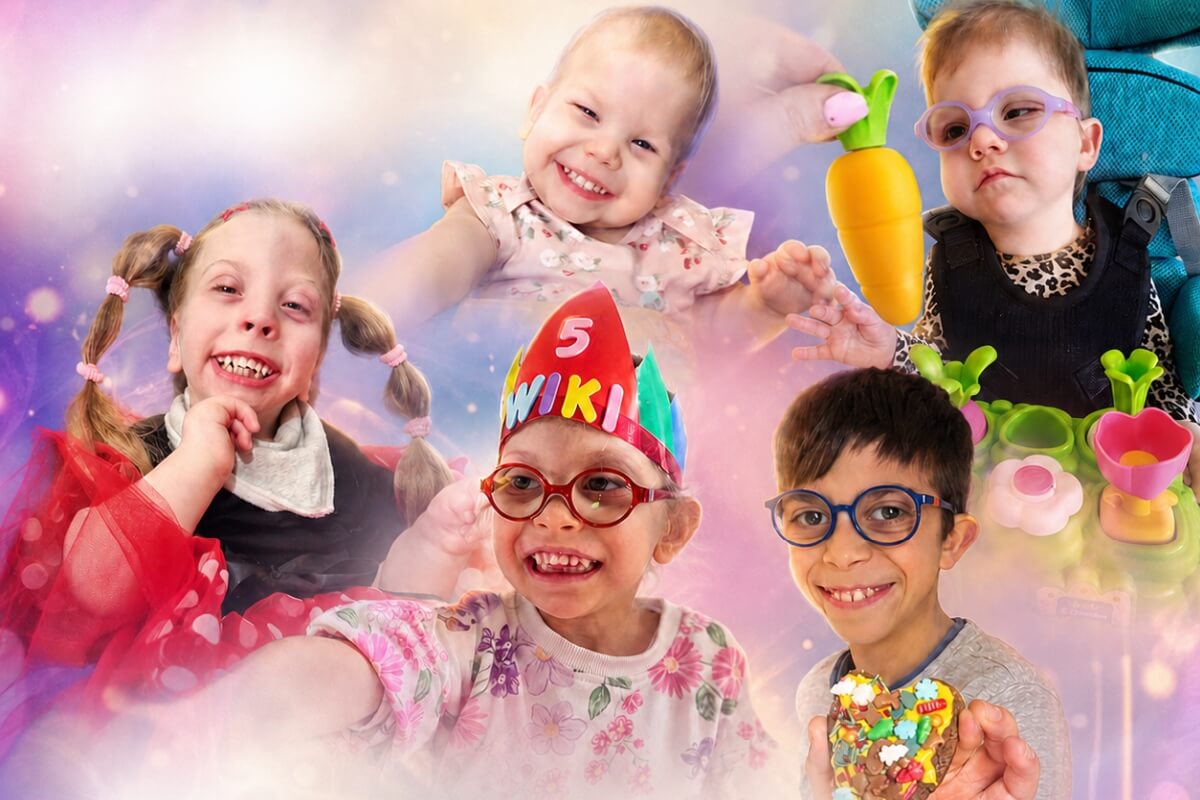
Purestone Foundation
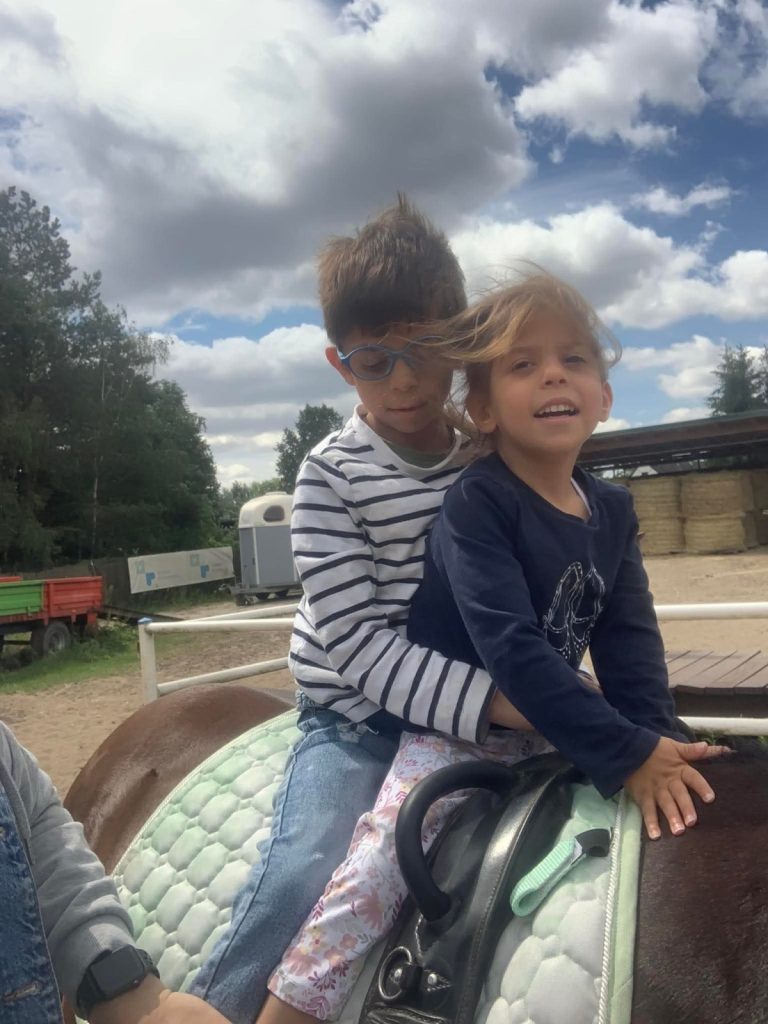
The Purestone Foundation supports families of children with Smith-Lemli-Opitz syndrome (SLOS), helping them navigate the path from diagnosis to a realistic chance of treatment. We connect parents, scientists, and partners around the development of innovative gene therapy, building organizational, social, and fundraising resources for projects like Gene2Cure.
A Commitment to Scientific Excellence
The Gene2Cure team is made up of leading scientists and of experts who have helped develop pioneering gene therapies. Every contribution from our corporate partners supports a project with a realistic path to clinical application within the next five years.
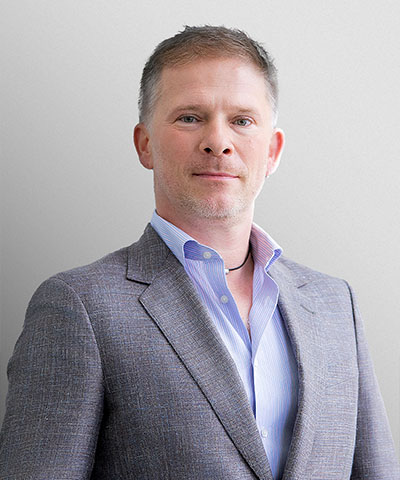
Prof. Leszek Lisowski
A global leader in the development and production of viral vectors, with over 20 years of experience in the development, clinical implementation and commercialization of gene therapies for pediatric genetic diseases.
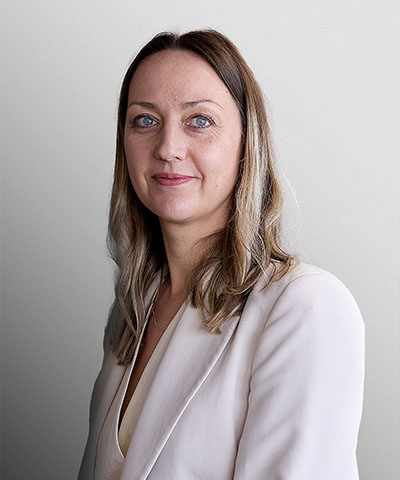
Dr Špela Miroševič
Co-founder and president of the CTNNB1 Foundation, a nonprofit organization leading the development of the first AAV9-based gene therapy for the CTNNB1 syndrome. She is an expert in translational research, regulatory strategies, and coordination of gene therapy development for rare neurodevelopmental disorders.
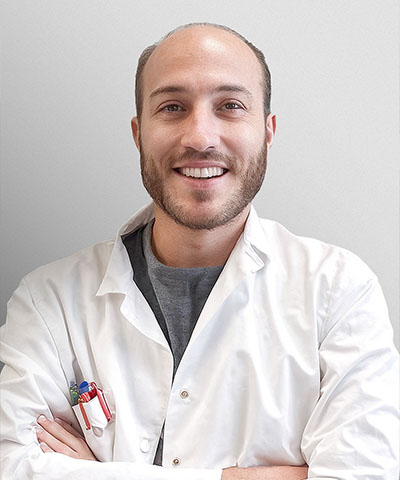
Dr hab. Duško Lainšček
An expert in the development and characterization of preclinical models of genetic diseases, with over a decade of experience in applying genomic engineering and other technologies to research on rare genetic diseases.

Why should business fund gene therapies?
You don’t know if this will be your story someday. You can build a company for decades. You can plan for growth, investments, and expansion. But you can’t plan for one thing: will a child come into your life who needs therapy that doesn’t exist today?
Today, you have a say in whether such therapy will be created.

Your company is funding AAV technology that could save your children, grandchildren, and team in the future. This is the ultimate form of CSR – saving lives.

Stand alongside global giants. Supporting groundbreaking research positions your brand as a leader in the modern world (High-Tech Philanthropy).

We report on every progress. You’ll see your funds transformed into concrete scientific publications and the first successful clinical trials.

