Laura i Maks Gierszewscy
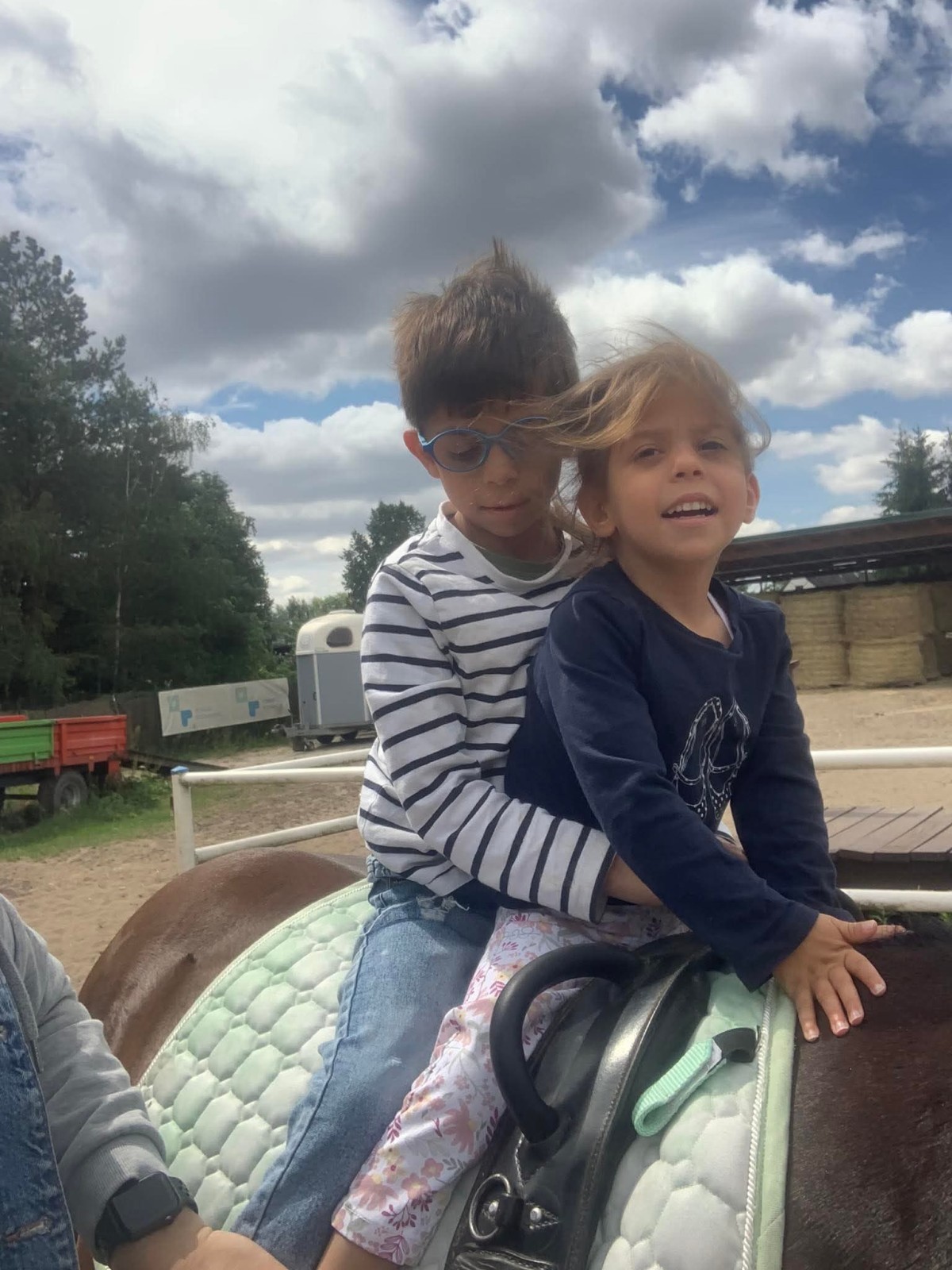
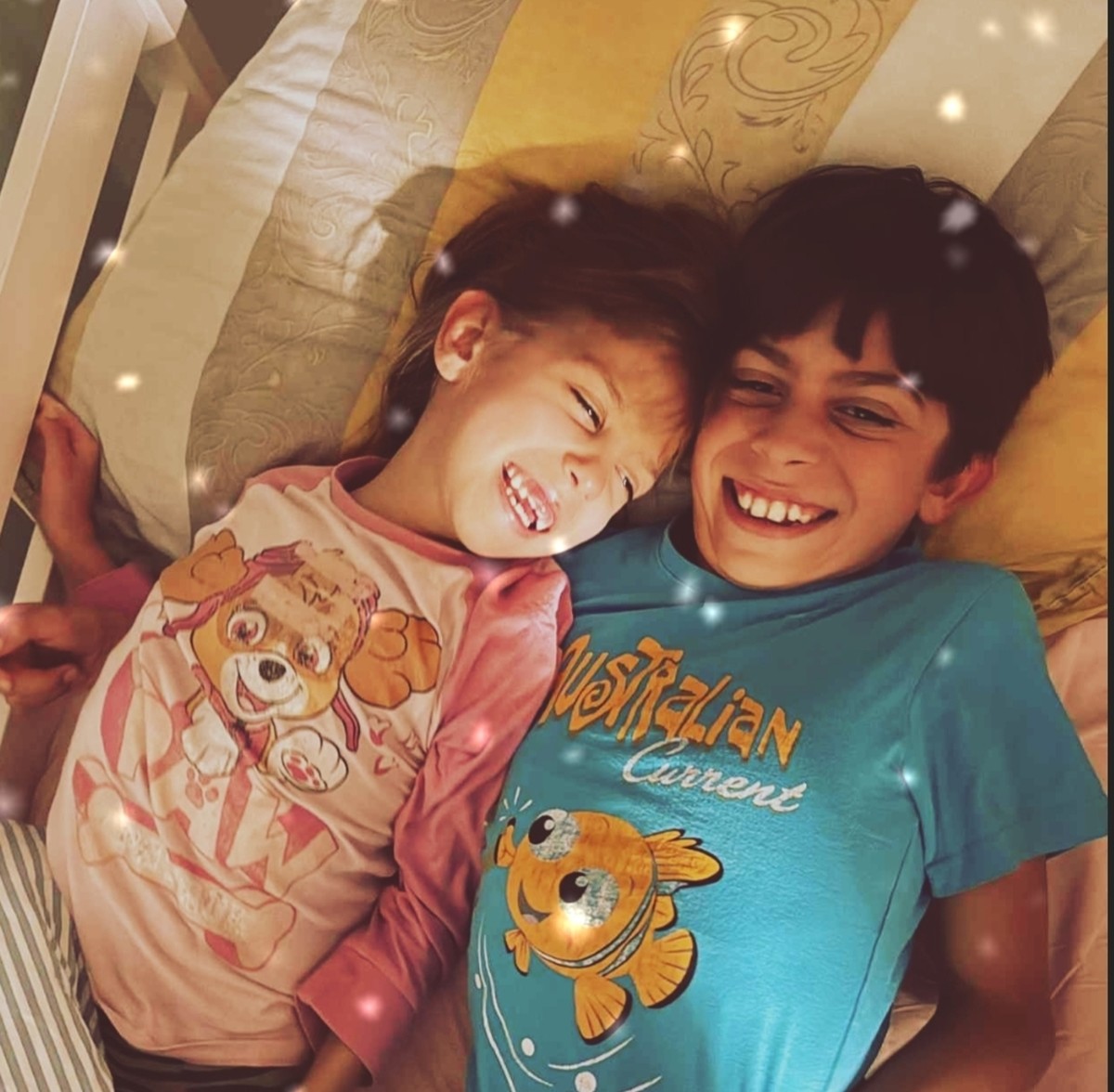
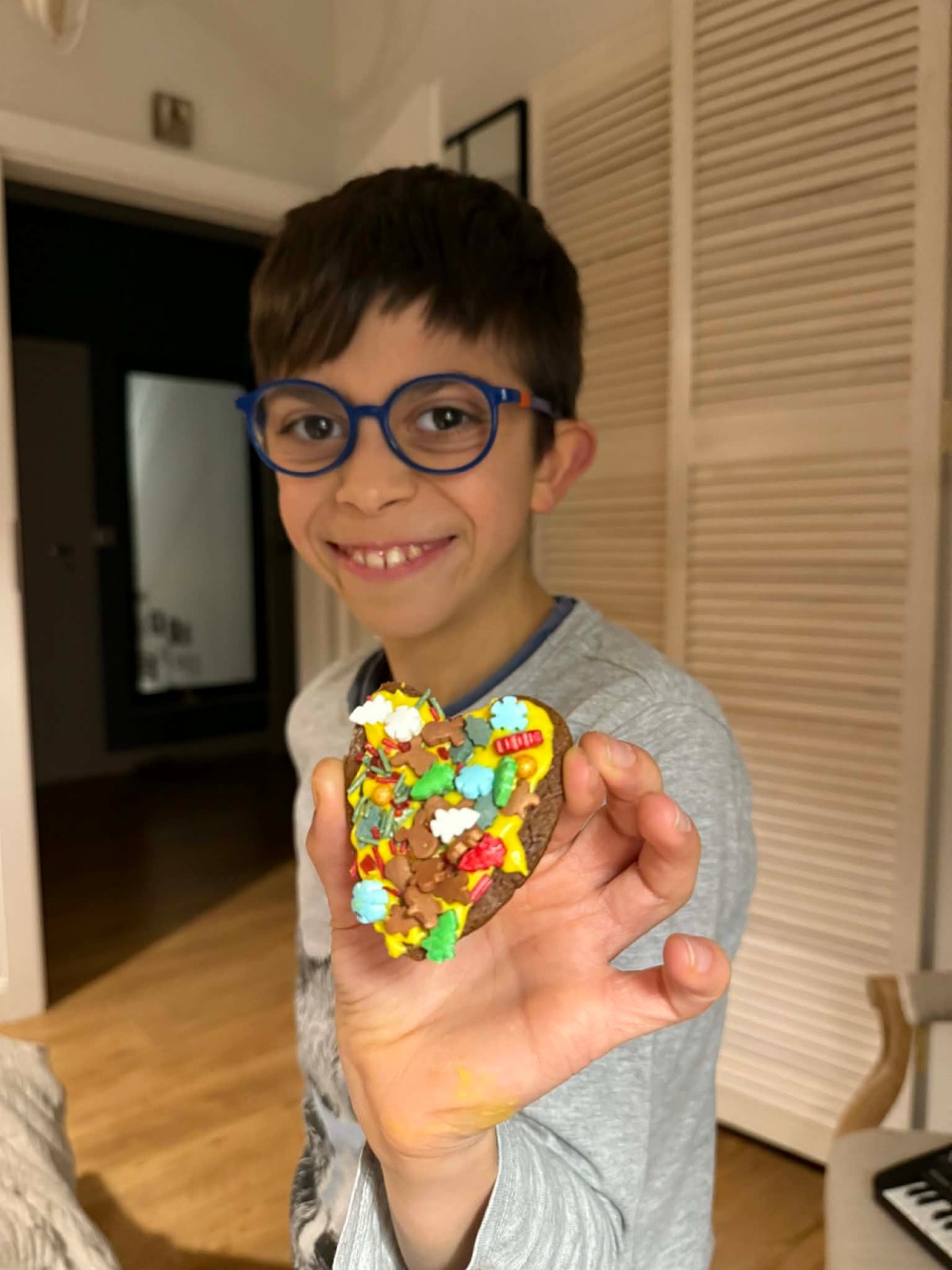
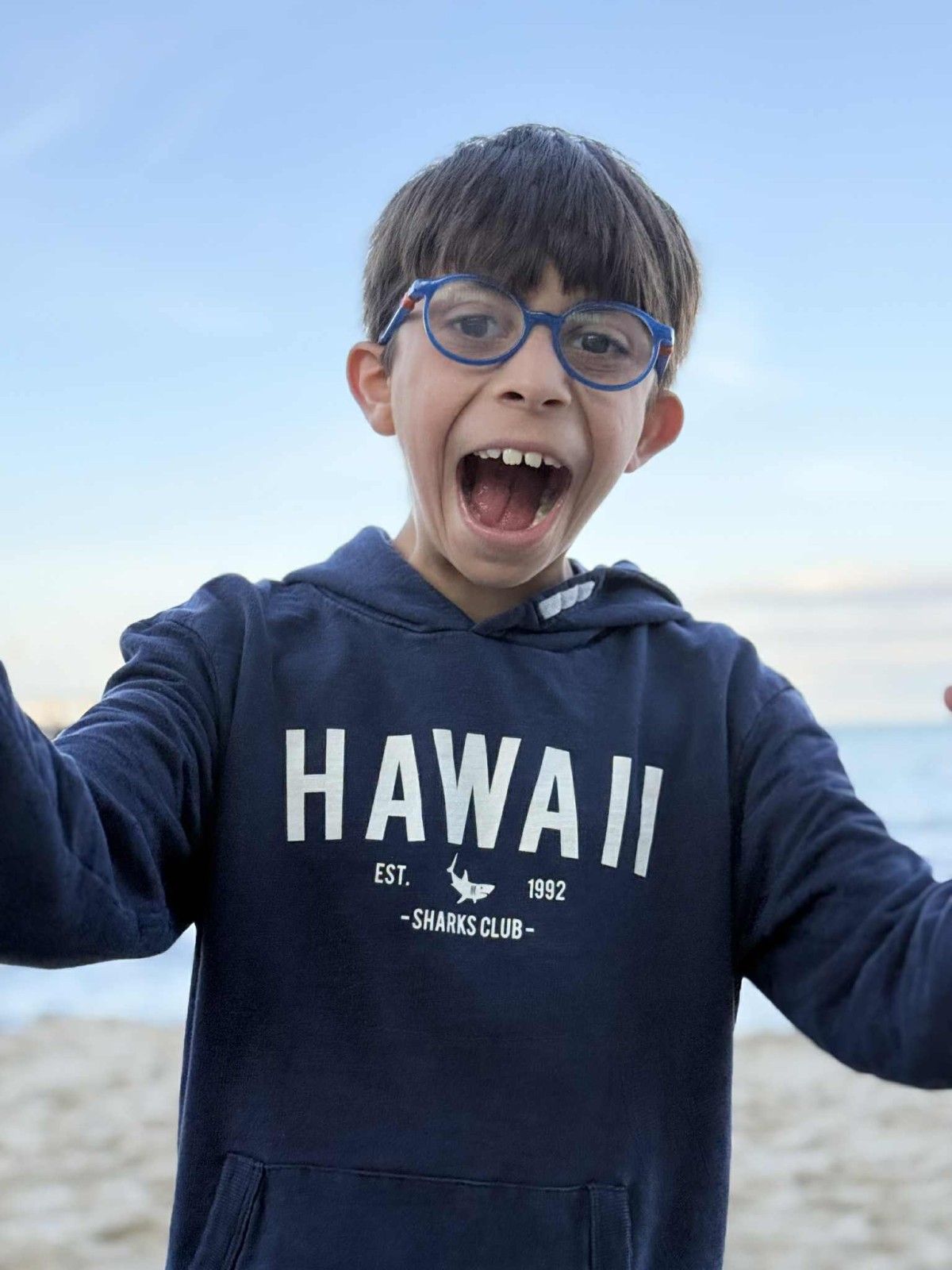
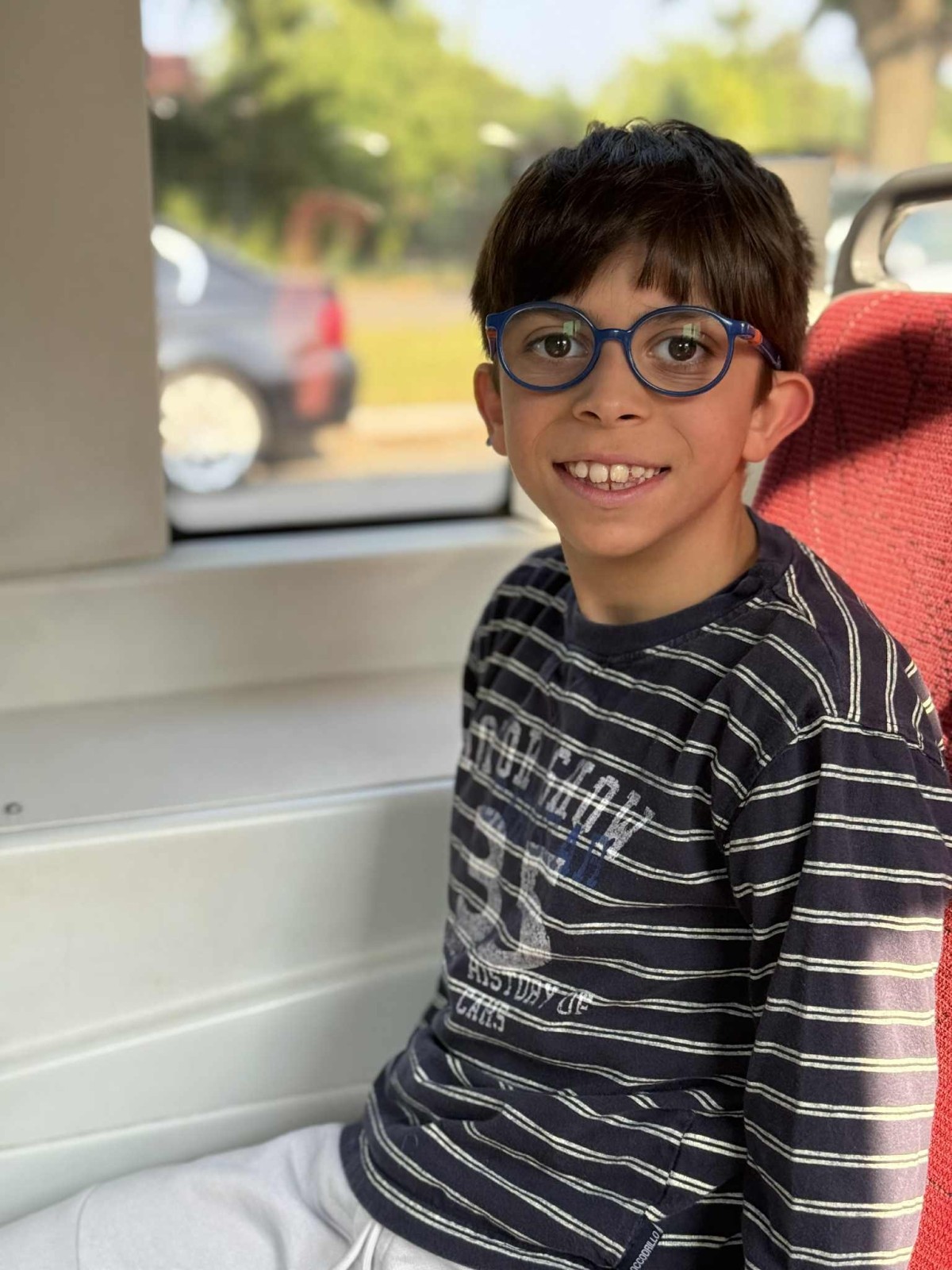
We are parents of two children with SLOS – 10-year-old Maks and 7-year-old Laura. Symptoms of the condition appeared within the first 24 hours of Maks’s life. He had no Moro reflex, slept constantly, had no appetite at all or ate only small amounts (10-20ml). He was unable to breastfeed and struggled with a bottle.
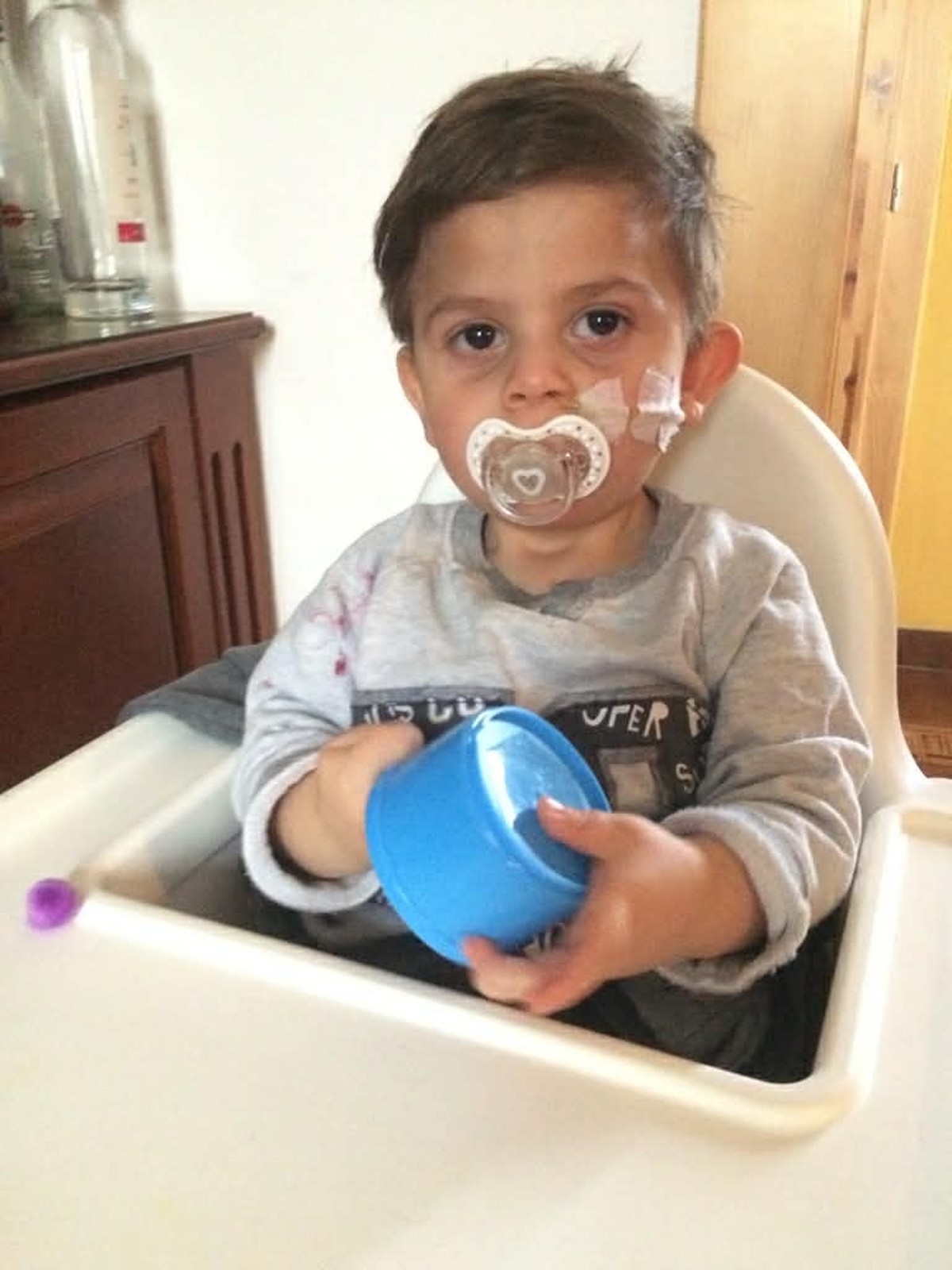
Due to his decreasing weight, after four days at home, we were admitted to the neonatology ward, where Maks spent 14 days undergoing basic tests. Over the first 8 months, we had over 40 visits with specialists to find the cause. During this time, we literally “squirted” milk into him, inducing a swallowing reflex and stimulating his tongue with the bottle’s nipple. Each feeding lasted several dozen minutes, and our entire lives revolved around eating.
Due to his limpness associated with low muscle tone, we initiated physical therapy. The turning point came at 8 months of age, when we arrived at the Children’s Memorial Health Institute. Maks had a feeding tube inserted (for almost a year) and began the process of weaning him.
We first heard about his disability when he was 11 months old. At the time, the hospital in Warsaw suggested that the weaning attempt might have failed because the problem stemmed from a genetic syndrome. This was devastating. Until then, we had struggled with feeding problems, but we hadn’t linked them to general developmental delays. We hadn’t yet resolved the issue of him not being able to feed himself independently, and they suggested an irreversible “sentence”—a disability, an intellectual delay. Yet he was so sweet, so prayerful, and fought so bravely… The first results of rehabilitation were already visible… We began to experience feelings of anger and denial.
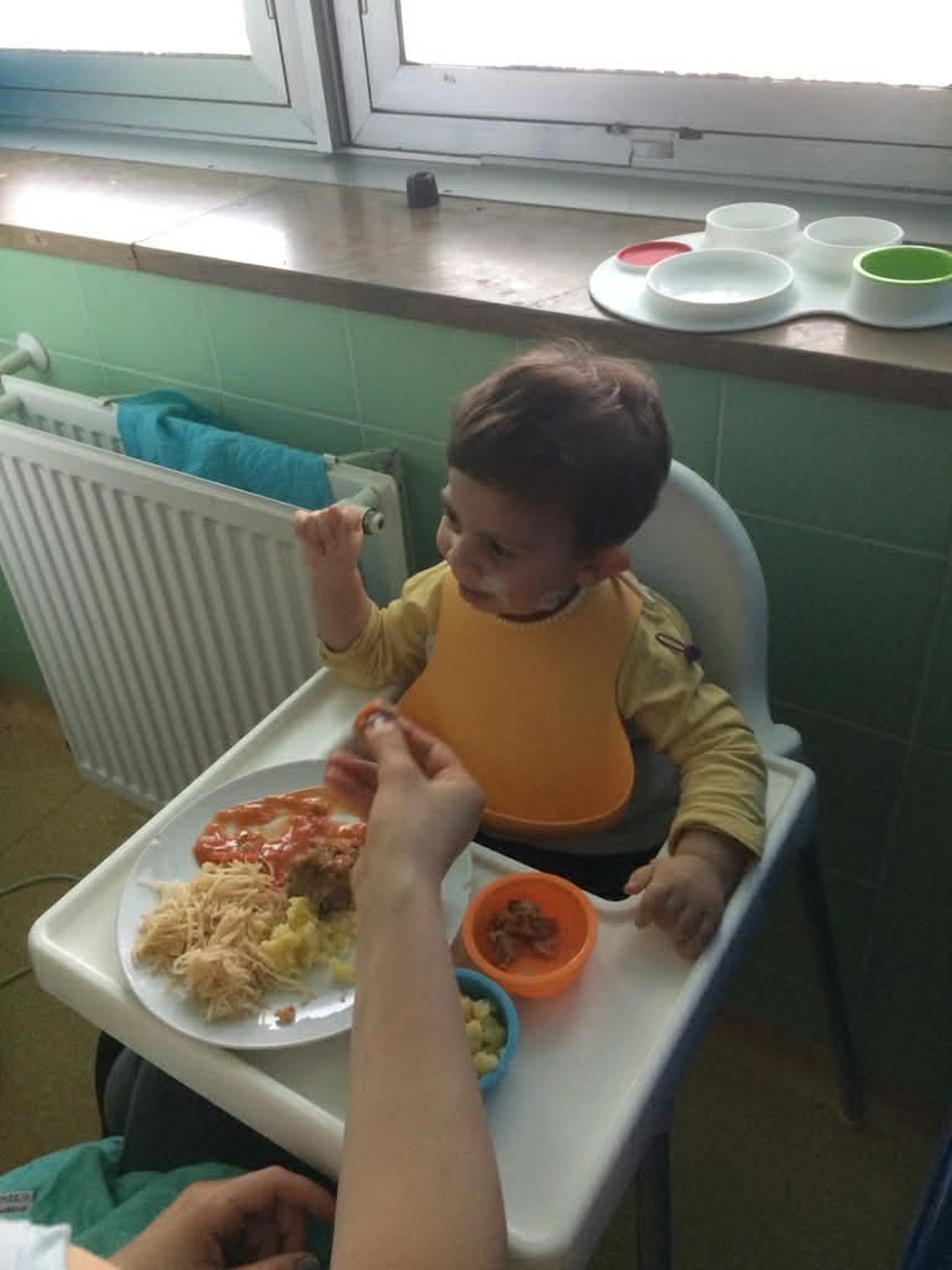
After the feeding tube was removed, Maks ate only “pure” foods for several years; over time, he began to eat solid foods. Thanks to intensive rehabilitation, he took his first steps at the age of 2 years and 8 months, a few days after Laura was born. Despite previous genetic testing in Poznań and Warsaw, we only learned the correct diagnosis – SLOS – when Maks was 4.5 years old. It was another painful moment. Fear set in, and the realization that these challenges would be a lifelong struggle.
For a long time, we struggled with Maks’s sleep disorders. He would scream for 1.5 hours every night and experience sleepless nights. It took Maks nine years to fully wean him. That’s when he developed seizures. Maks has elements of the autism spectrum, significant attention deficit disorder, and hyperactivity, making learning a significant challenge.
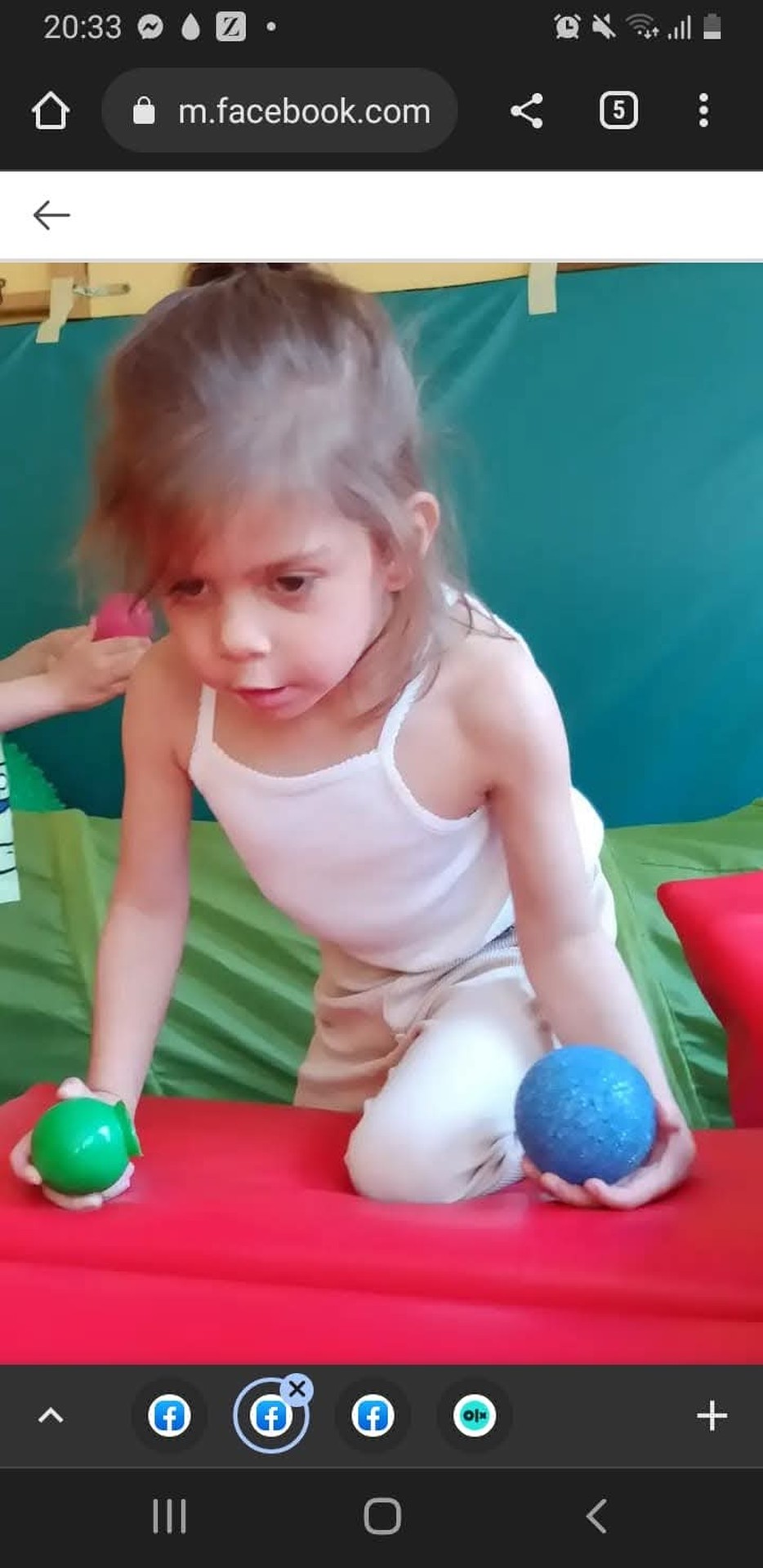
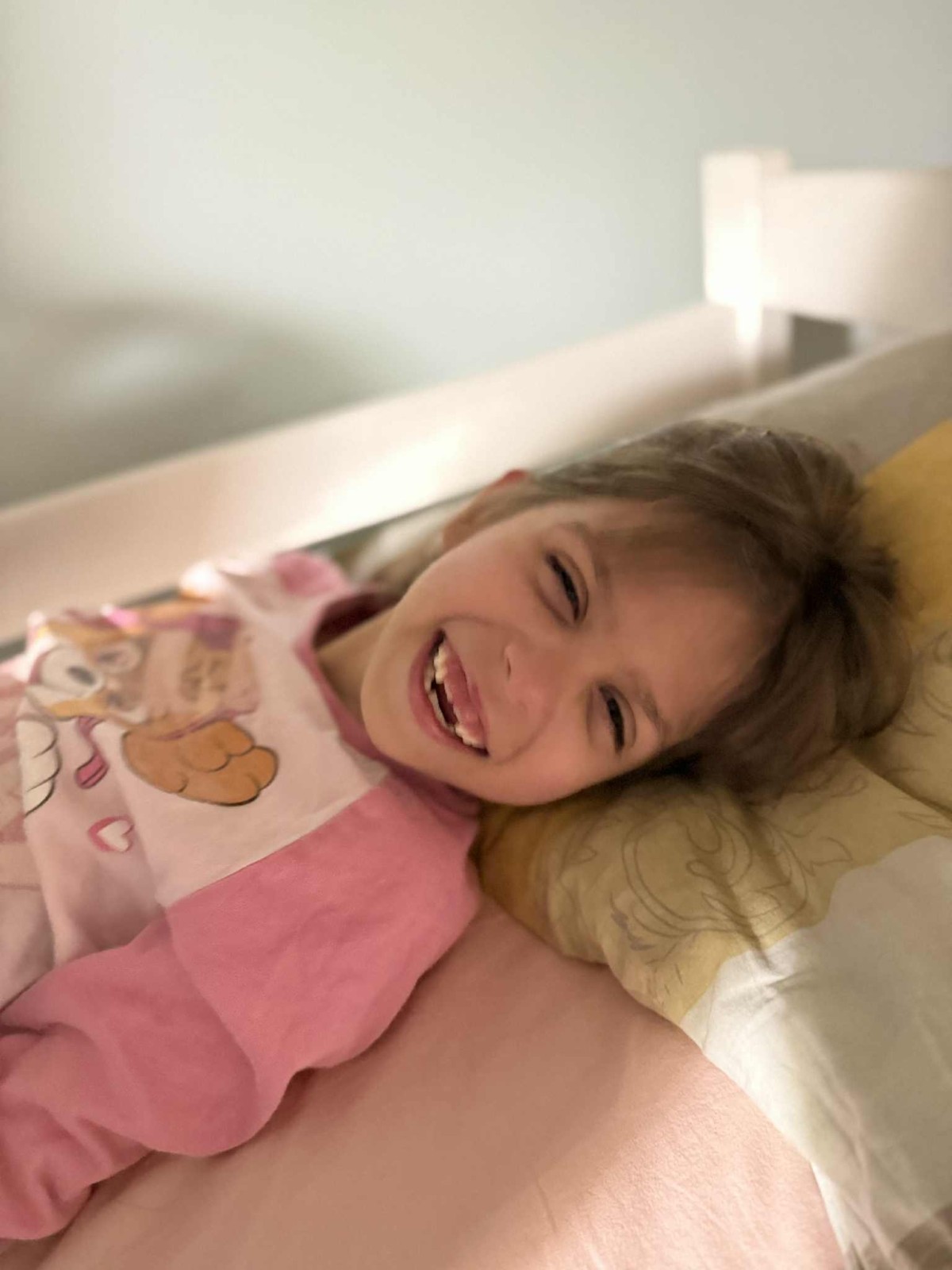
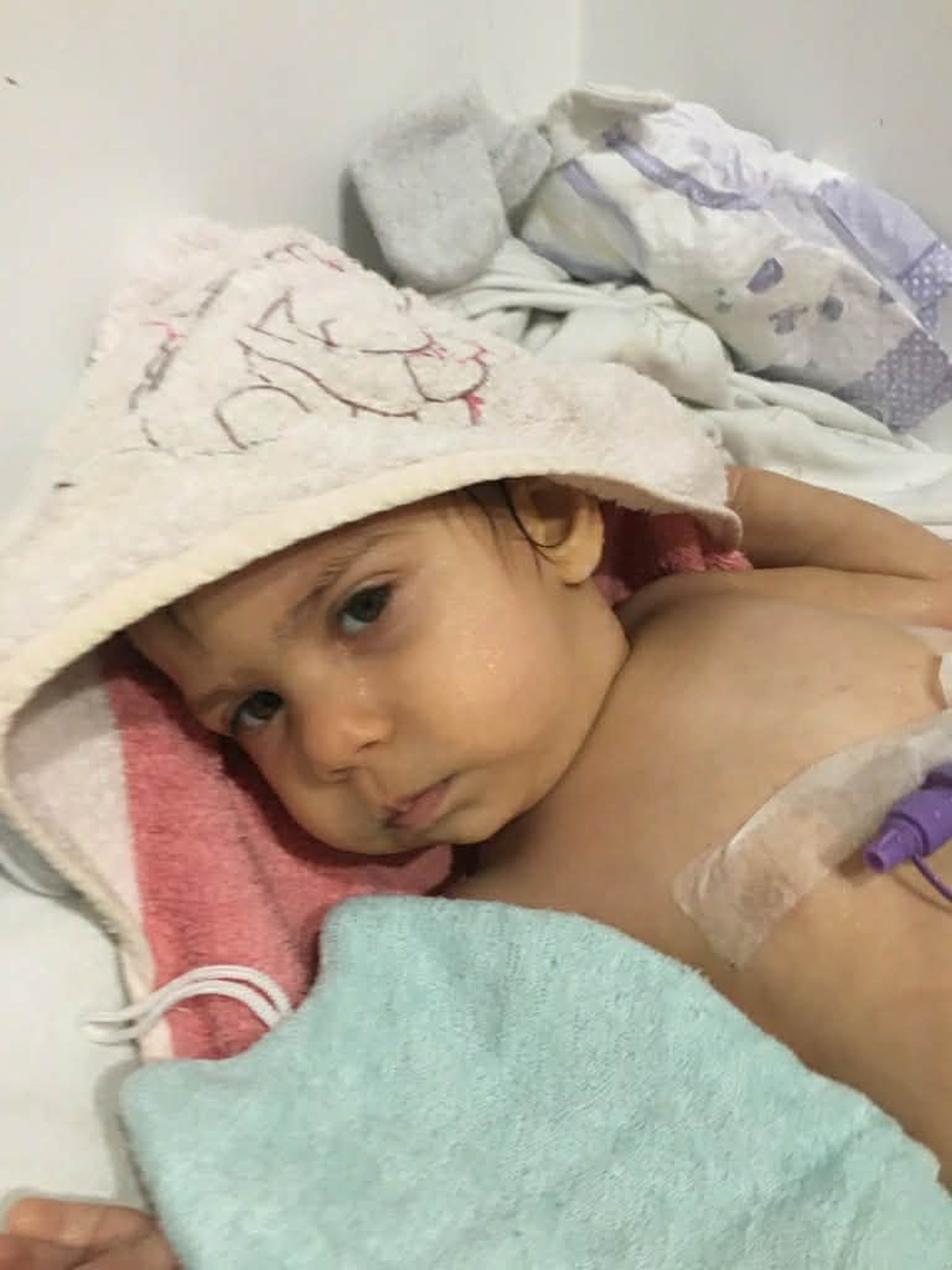
When Laura was born in 2018, we hoped that this time would be different (due to Maks’s inaccurate diagnosis, geneticists suggested a 99% chance that developmental disorders wouldn’t occur with a second child). Unfortunately, history repeated itself. Laura couldn’t drink from a bottle and was breastfeeding on her own, but after five months, she stopped gaining weight. Despite our knowledge and experience, a PEG tube had to be inserted. This was a very difficult moment for us – a feeling of failure, as we were unable to prevent her from being fed enterally.
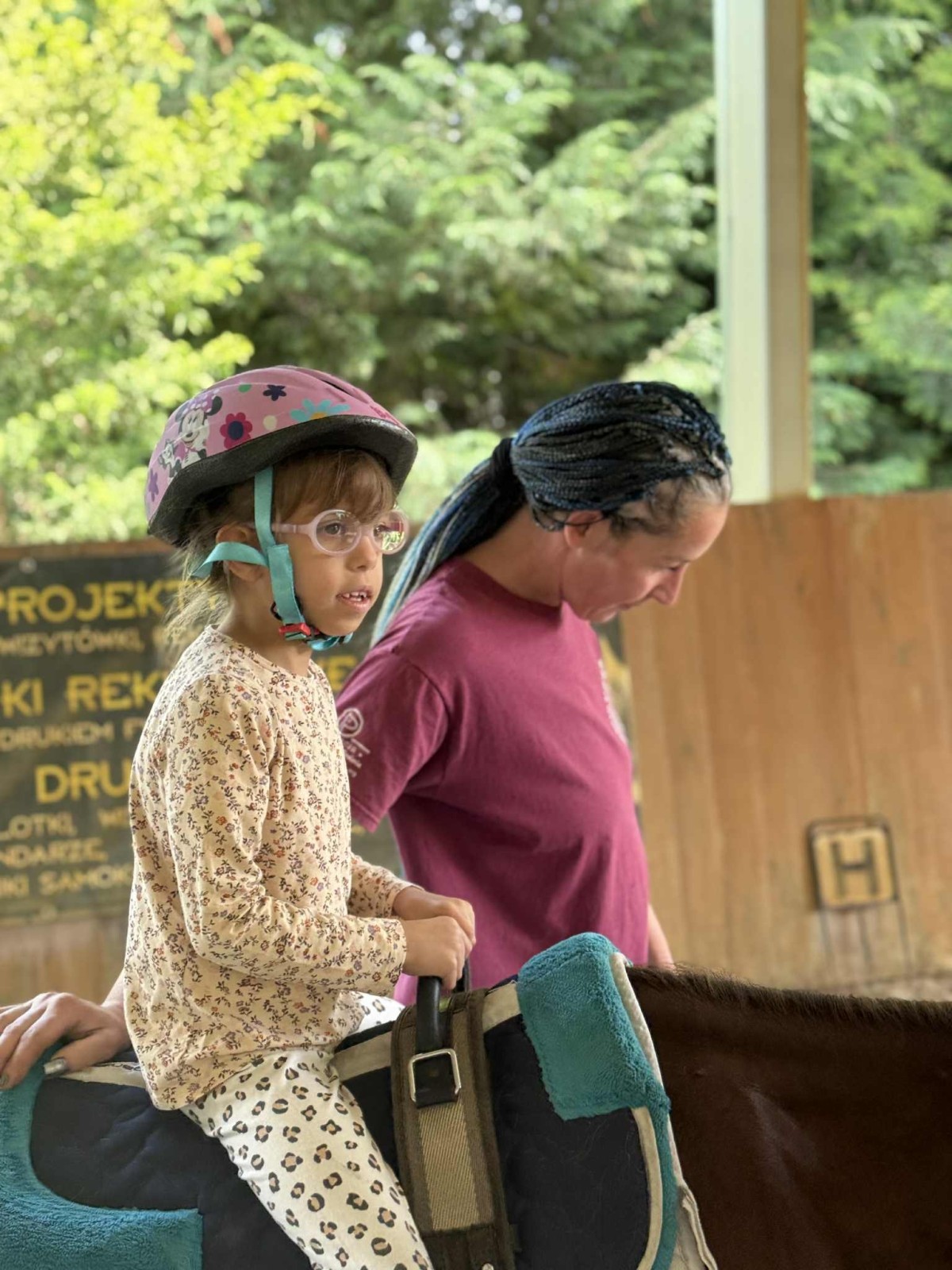
Laura continued to breastfeed for two years. In her case, too, it was only her success in this area that gave impetus to therapy and began the fight to overcome her already significant developmental delay. The biggest challenge – for both us and her – was constant fatigue, which impacted the effectiveness of the therapy. For four and a half years, she woke up for three hours a night. Despite constant work with several speech therapists and special education teachers, she didn’t begin to form her first sentences until she was six and a half. Regardless of her SLOS diagnosis, she also has atypical autism.
Our lives are now a constant struggle – a race against time – for their independence, their development, and their future. Every day involves therapy, exercise, hours and kilometers spent in the car, and a tremendous amount of mutual commitment to giving them the chance to live as independently as possible. We dream of them reaching a level of development that will allow them to continue their education and function in society.
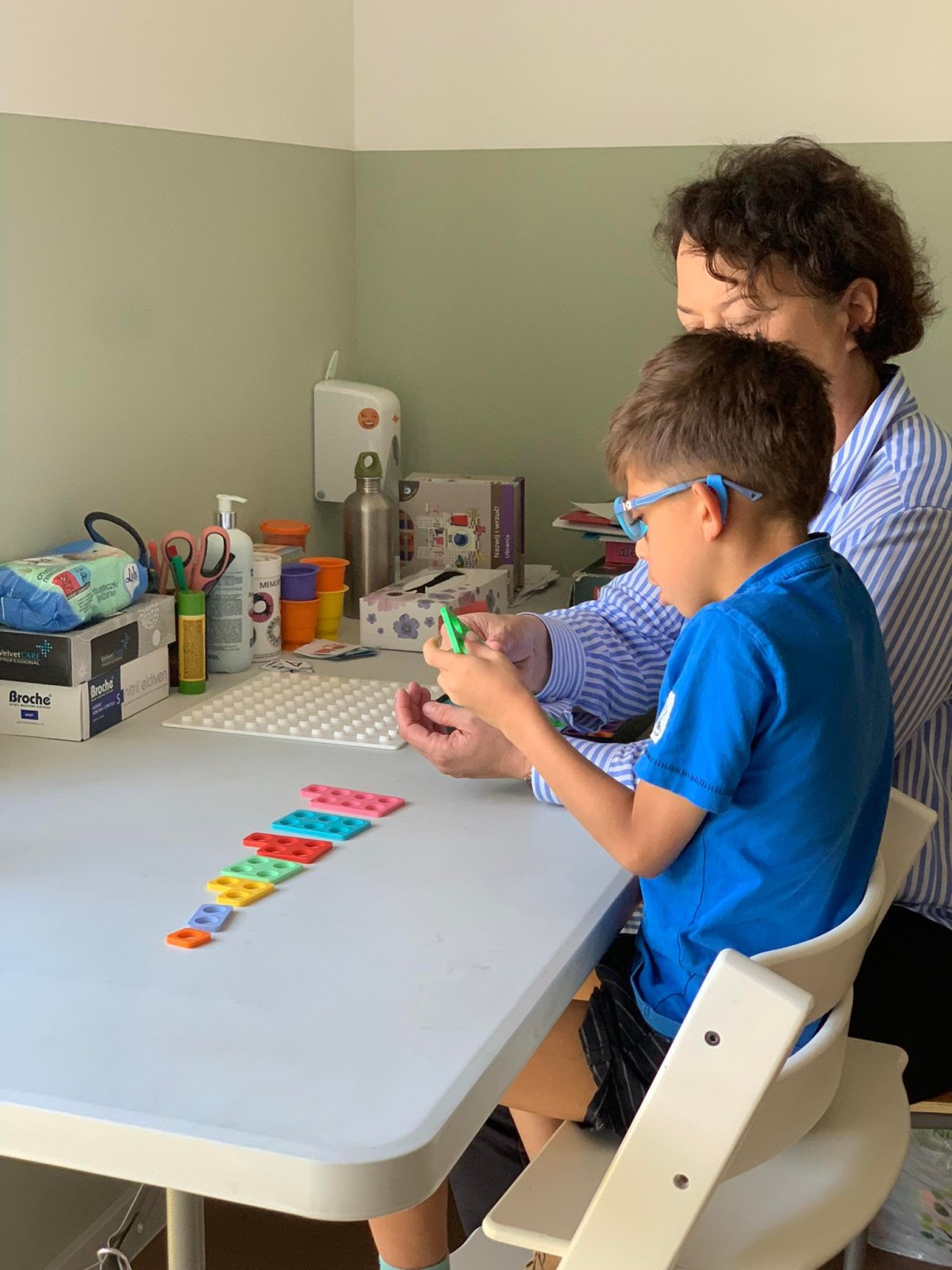
Only with your help can our efforts transform the lives of children with SLOS. As a donor, you can support the Foundation directly and thus help us implement our projects.
Please make transfers with the title “Support for the development of SLOS genetic therapy“
Fundacja Purestone
ul. Rynek 60/2
50-116 Wrocław
Poland
PLN account: 32 1140 1140 0000 5739 1600 1008
EUR account: 05 1140 1140 0000 5739 1600 1009
USD account: 75 1140 1140 0000 5739 1600 1010
mBank
SWIFT / BIC: BREXPLPWXXX
 Poprzednia historia
