
Marysia Urbaniak
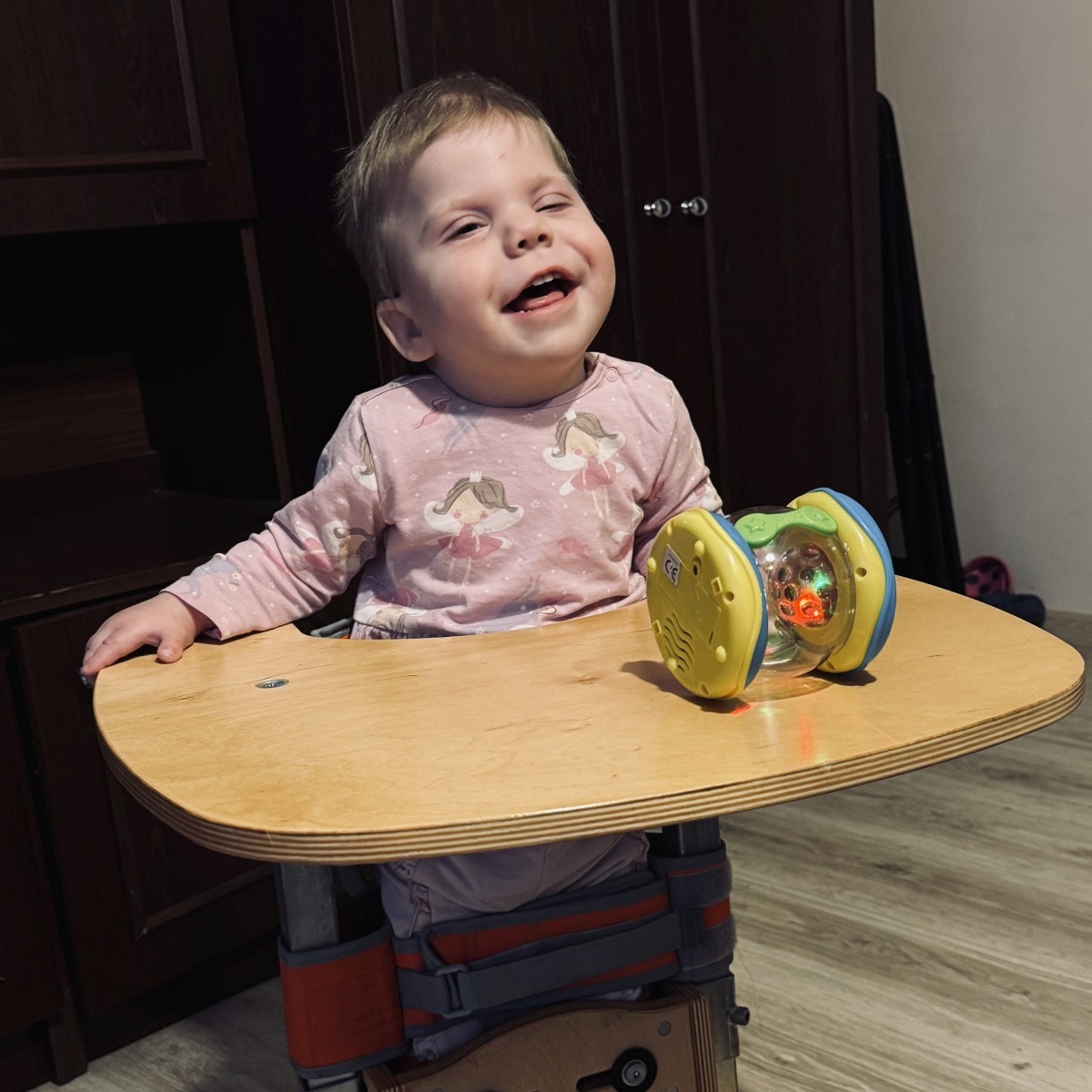
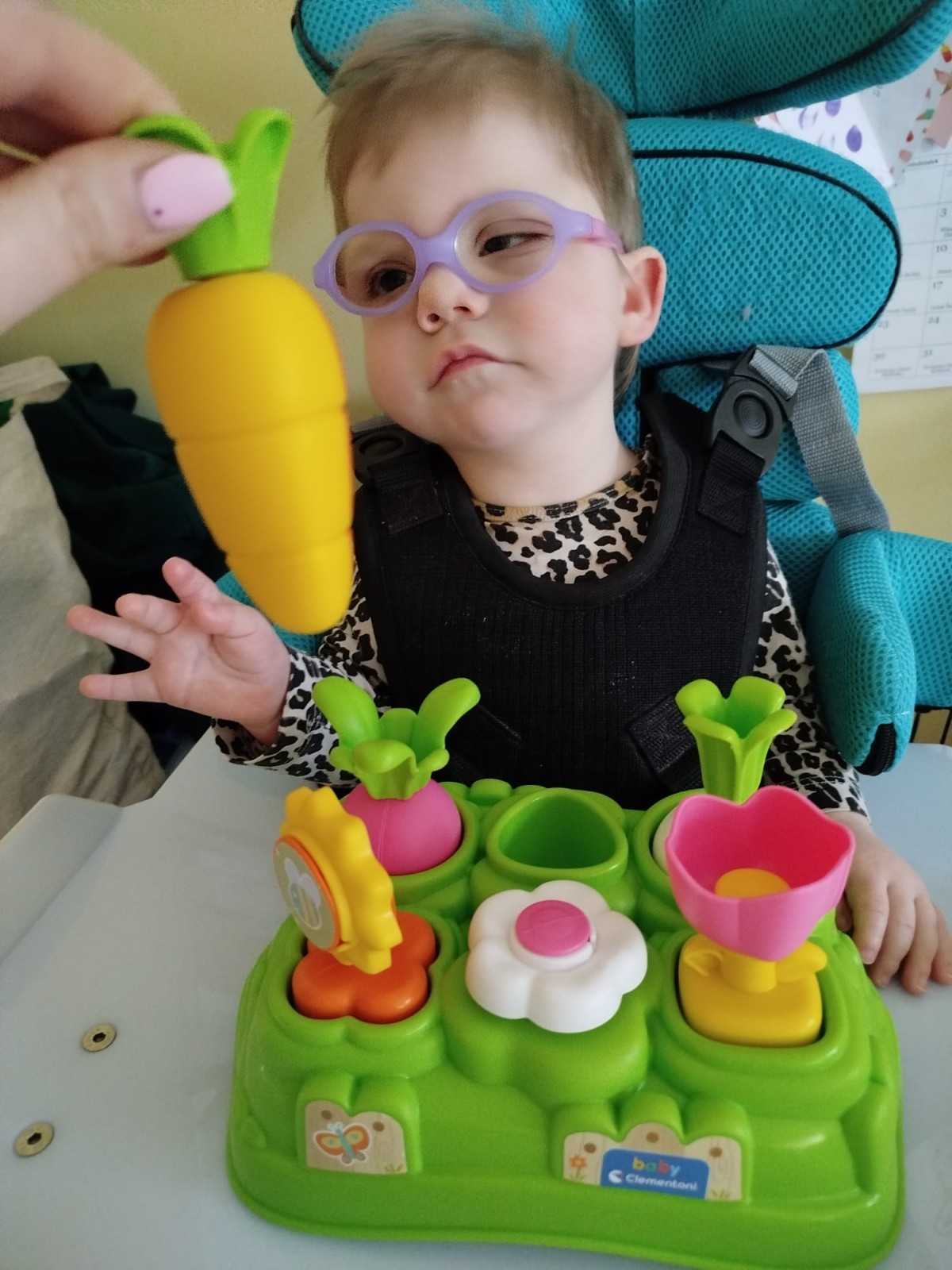
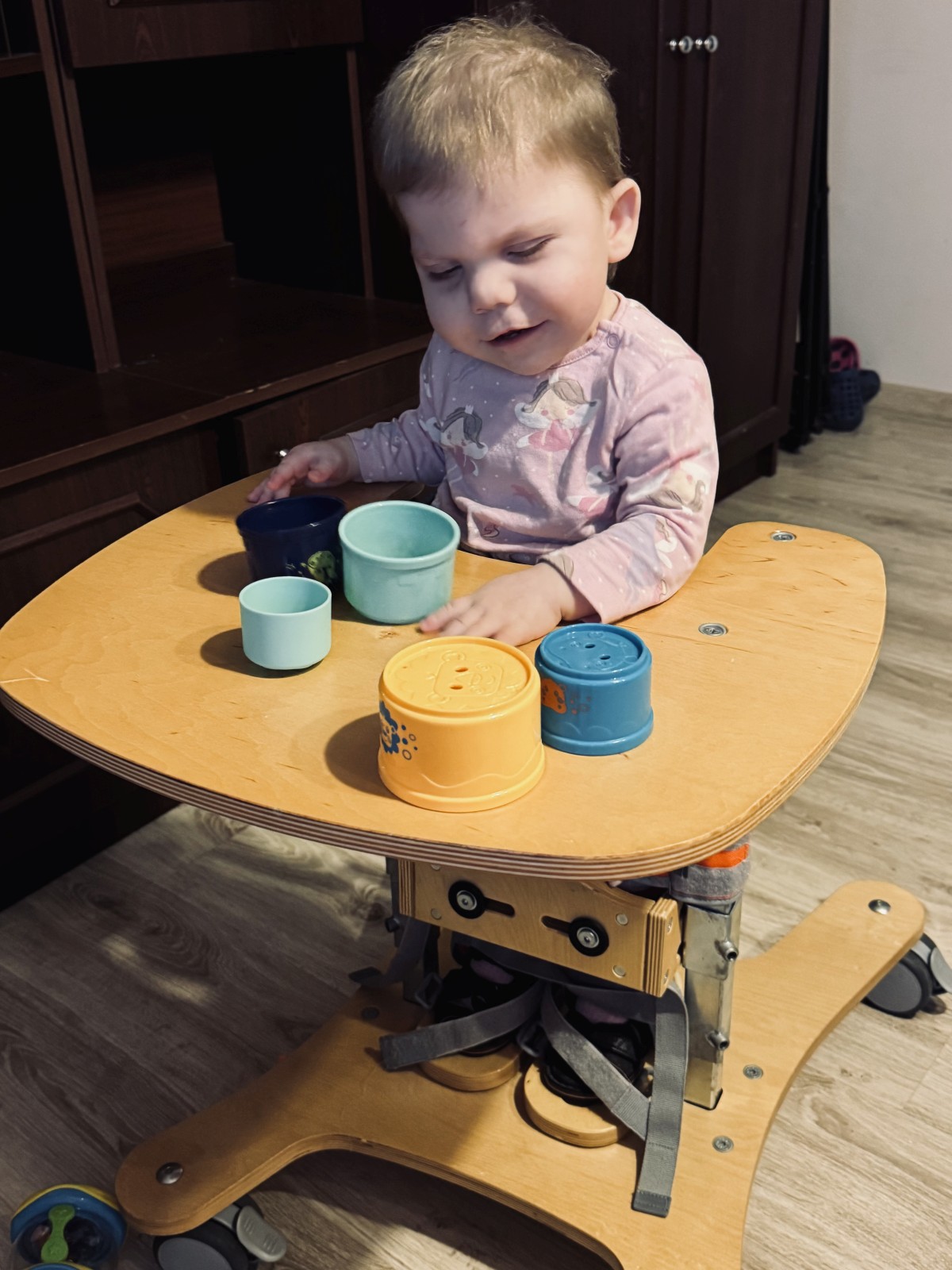
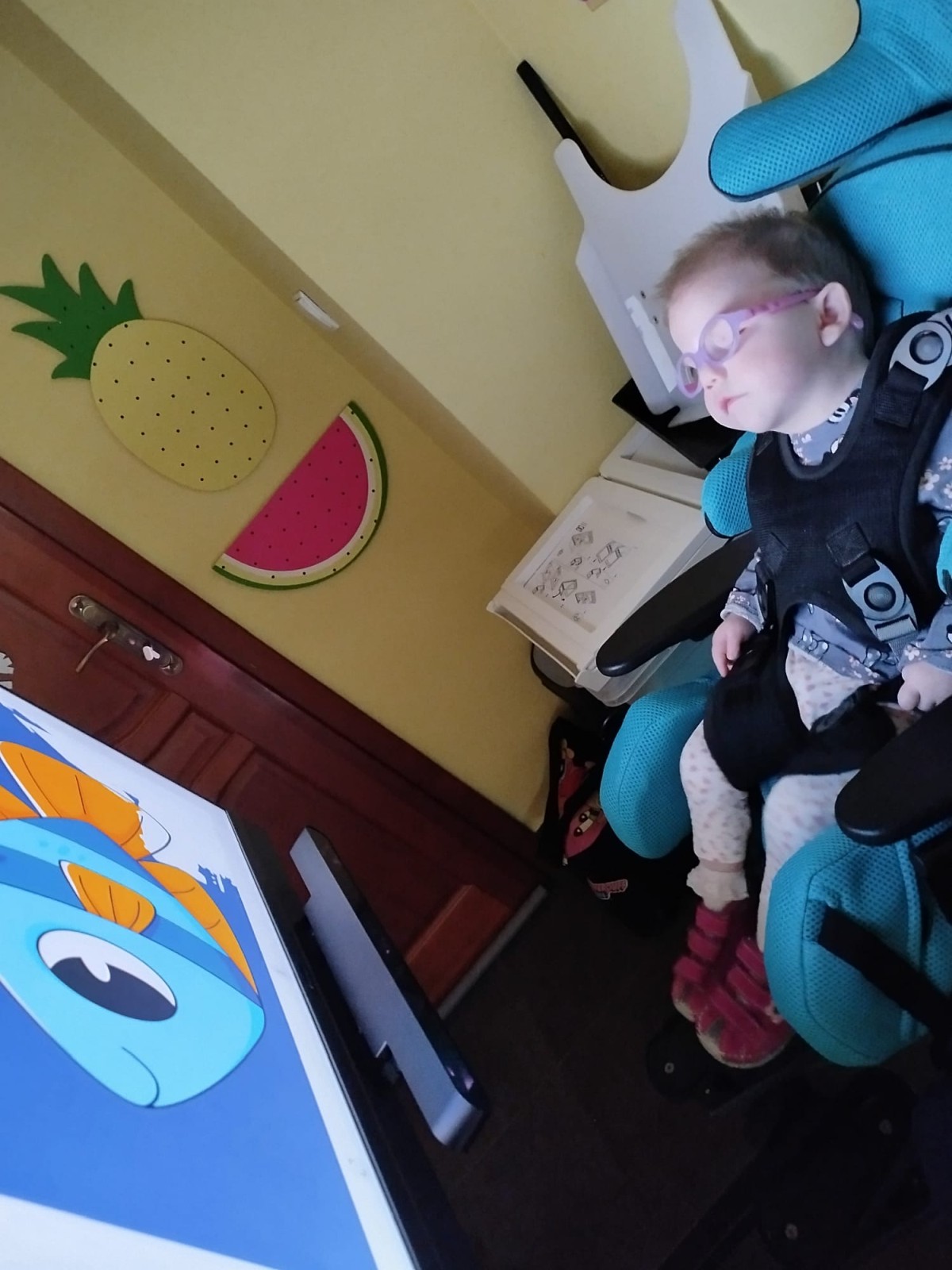
During the pregnancy, there wasn’t much evidence to suggest that Maria was born with such a serious genetic defect. I had more amniotic fluid, all prenatal tests were performed, I was under the care of two gynecologists, and just before Maria’s delivery, I went to a hospital in Łódź to examine her and get an echocardiogram—which revealed nothing. Marysia was smaller, but still within the normal range. Even there, they showed our wavy hair to students during the ultrasound, but the sixth toe wasn’t visible. It must have been that way, so we wouldn’t learn everything until after the birth. Maria was born in a hospital in Słupca on May 21, 2024, at 38 weeks of pregnancy, vaginally. She scored 9/10 on the Apgar scale. She didn’t cry loudly, only whimpered softly. That was the first moment I was concerned. After Marysia’s examination, we were informed that Maria had six toes and some facial features of dosmorphia. My husband and I looked at each other and knew that not everything was as it should be, yet we didn’t yet realize that we had just become parents to a child with a disability. After all, Marysia had an older, healthy brother waiting for her at home. On the second day, Maria still refused to eat on her own; she had no sucking reflex. A feeding tube was inserted through which she could be fed. The decision was made to transport our daughter to Ostrów Wielkopolski for further diagnostics. The worst moment was when they took her away; I stood in the hallway, left alone, watching her drive away. That was the moment when, despite unimaginable pain, my inner strength grew, as did the motivation to fight for this little human being. I told myself then that if I could survive this, we would now overcome all adversities. In Ostrów Wielkopolski, after a consultation with a geneticist, a genetic disorder—Smith Lemli Opitz syndrome—was suspected. Marysia spent a month in the hospital, and after receiving confirmation of the genetic test results, she was discharged home. There’s probably no right time to receive such a diagnosis. Whether during pregnancy, after childbirth, or several years later, it certainly hurts just as much. No one wants their child to suffer and have to fight for a better future. Coming to terms with such a situation is like experiencing grief. Mourning the loss of a healthy child and accepting that disability isn’t the end of the world. Even though Maria fights bravely, no one can tell us how our daughter will function in the future. We’re making every effort to help her get off to a better start. Physiotherapy, speech therapy, and monthly rehabilitation sessions are a good start, but gene therapy would be a dream come true. And although the challenge is enormous, we want to fight for a cure for our daughter so she can start a new chapter in her life.


Only with your help can our efforts transform the lives of children with SLOS. As a donor, you can support the Foundation directly and thus help us implement our projects.
Please make transfers with the title “Support for the development of SLOS genetic therapy“
Fundacja Purestone
ul. Rynek 60/2
50-116 Wrocław
Poland
PLN account: 32 1140 1140 0000 5739 1600 1008
EUR account: 05 1140 1140 0000 5739 1600 1009
USD account: 75 1140 1140 0000 5739 1600 1010
mBank
SWIFT / BIC: BREXPLPWXXX
 Poprzednia historia
